
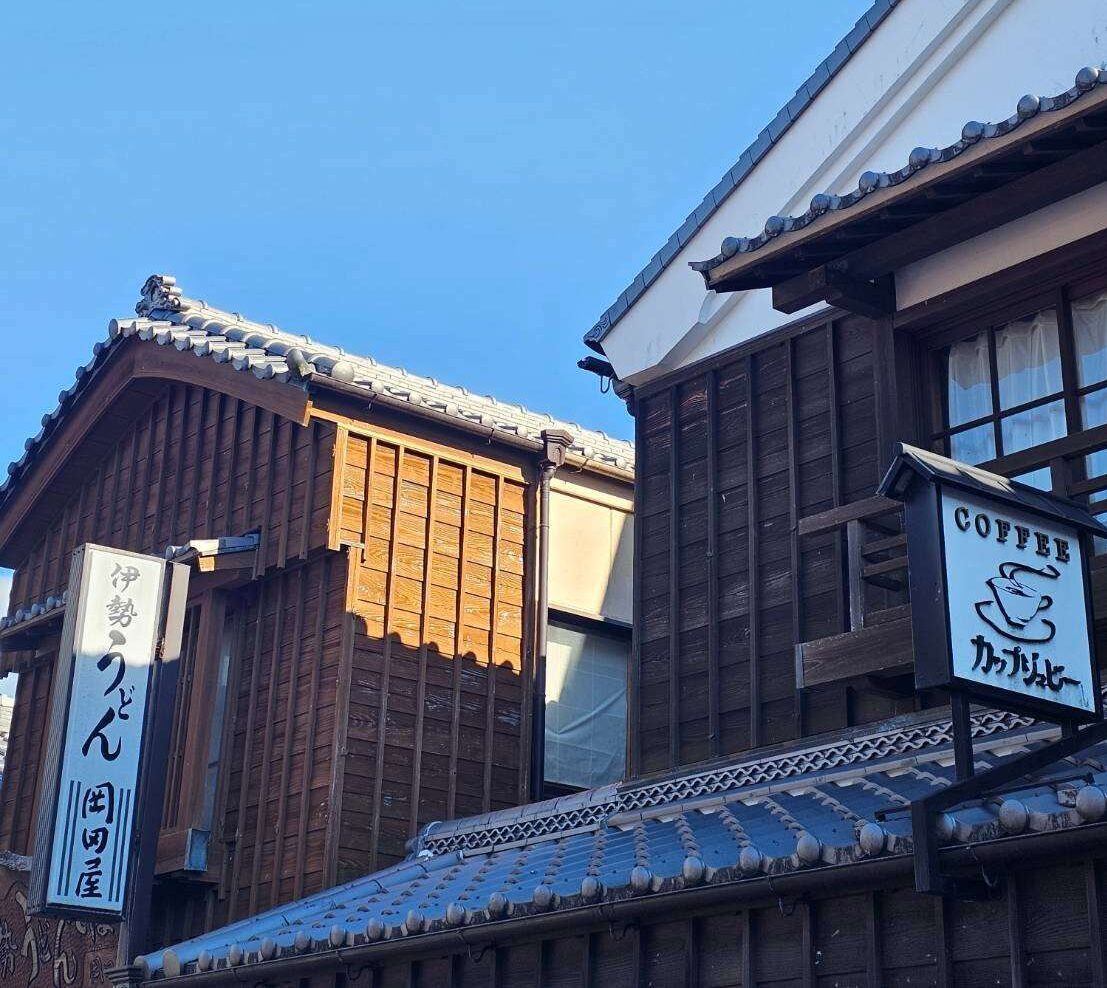
We had the rare opportunity to experience Ise not simply as visitors, but from a deeply Japanese perspective, taking part in a tour centered on Shinto tradition and sacred blessings. Instead of simply sightseeing, we got to experience a true immersion into something timeless and quietly powerful.
Here is how the day unfolded.
9:00 – Departure from Shin-Osaka Station
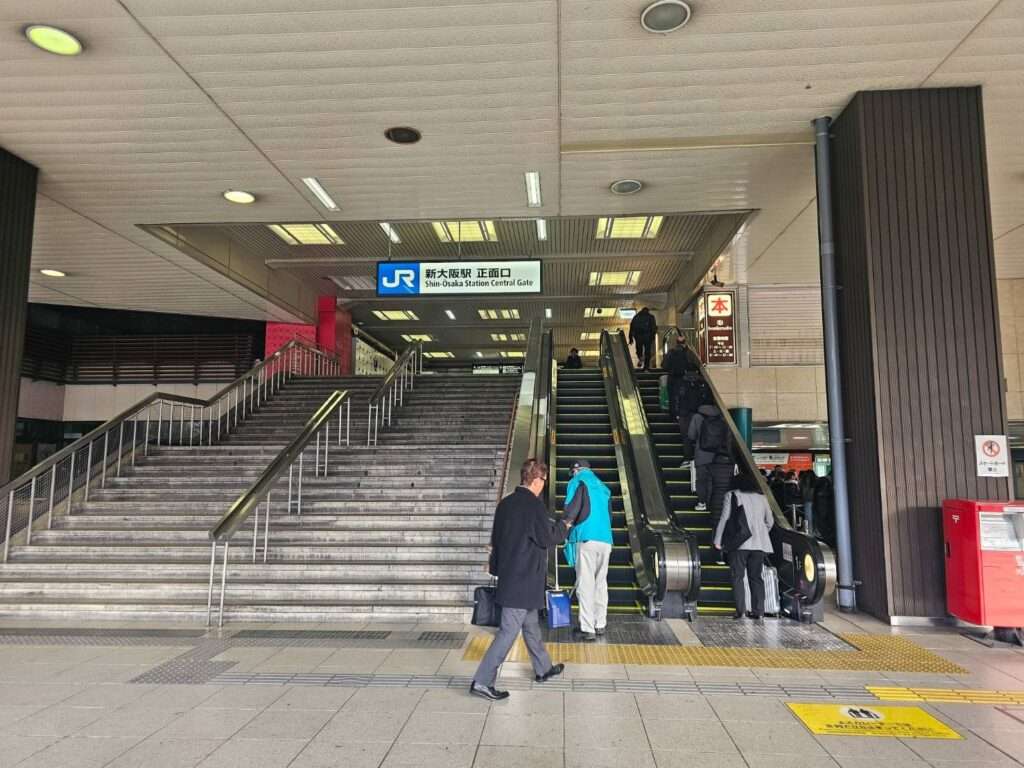
Our journey began at the meeting point at Shin-Osaka station where we met Nishiguchi-san, the tour coordinator, along with the rest of the group. This is where we realised that people had come from (almost) all over Japan in order to participate in this unique tour.
At 9:00, the bus departed, carrying us toward one of the most sacred places in Japan: Ise Grand Shrine.
As the cityscape gave way to more open landscapes, we listened to detailed explanations about Ise Shrine, its history, its spiritual importance, and its central role in Japanese culture. This allowed us to get a better grasp on the meaningfulness of the coming ceremony that we were going to participate in.
10:10 – 10:30
Break at Kusatsu PA (Bento boxes distributed)
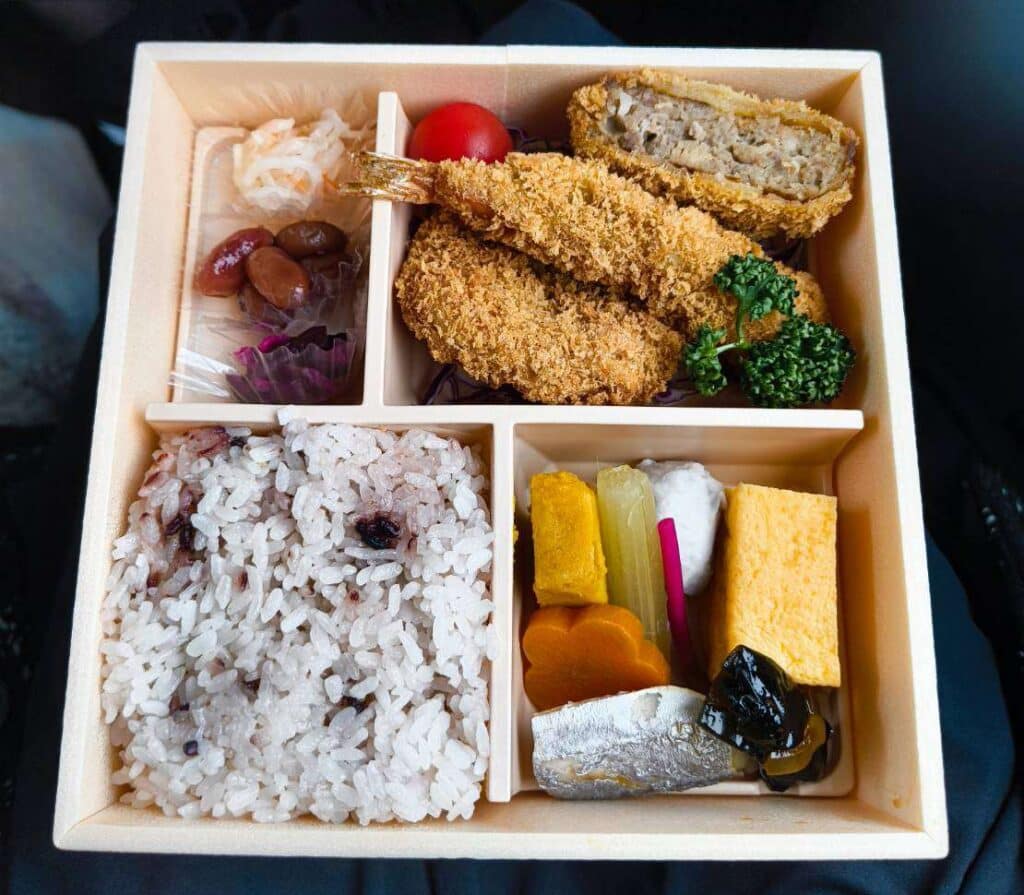
Our first stop was at Kusatsu Parking Area, a service area midway from our destination. As we headed back in the bus, we had a short break. Before reboarding, we received beautifully prepared bento boxes that would serve as our lunch.
Eating a bento box on a moving bus was definitely a new experience for us but the box was delicious. Each compartment was thoughtfully arranged, and the meal felt like part of the journey itself, rather than just a pause within it.
12:20 – 13:20
Visit to Ise Grand Shrine (Outer Shrine / Geku)
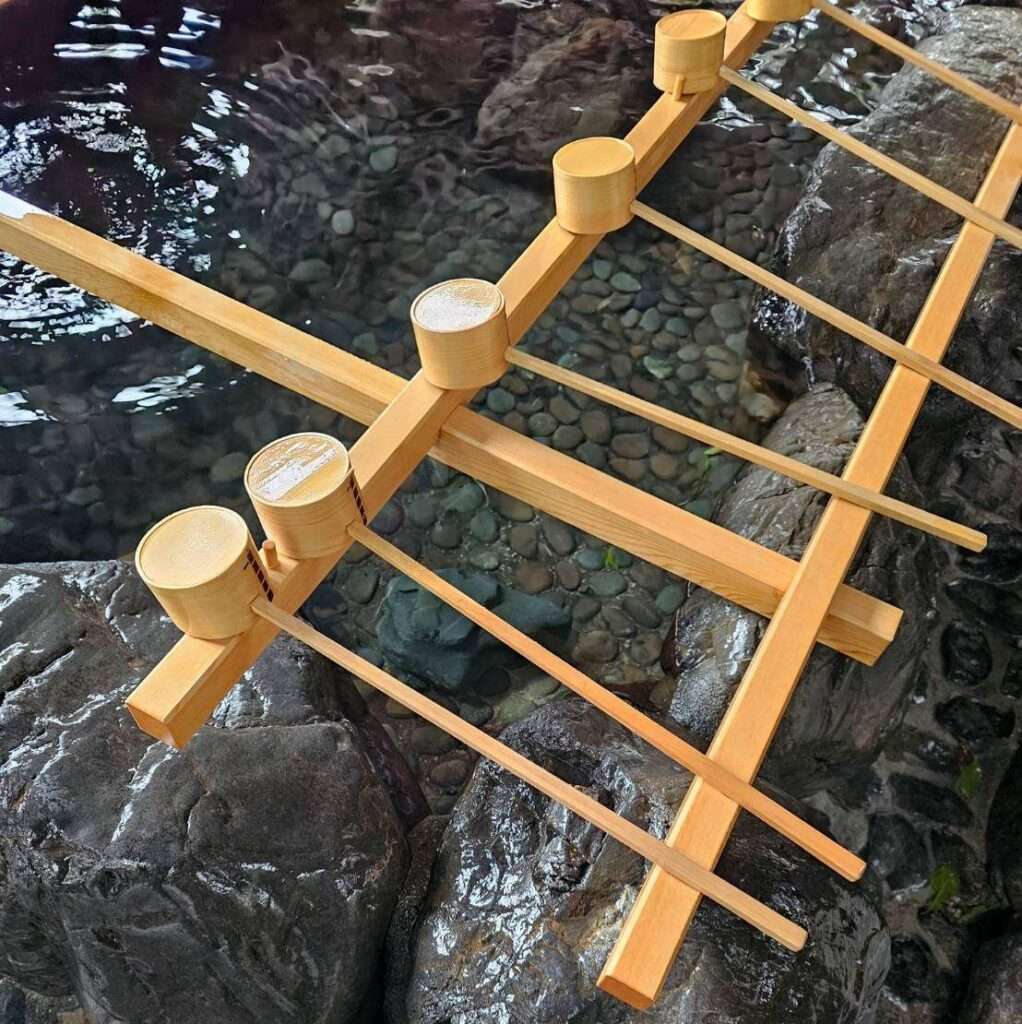
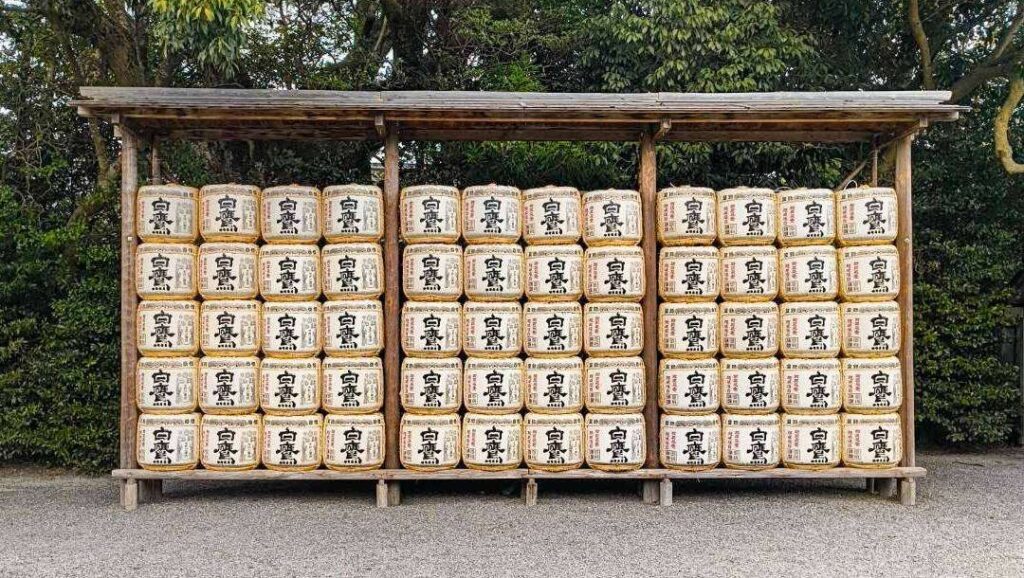
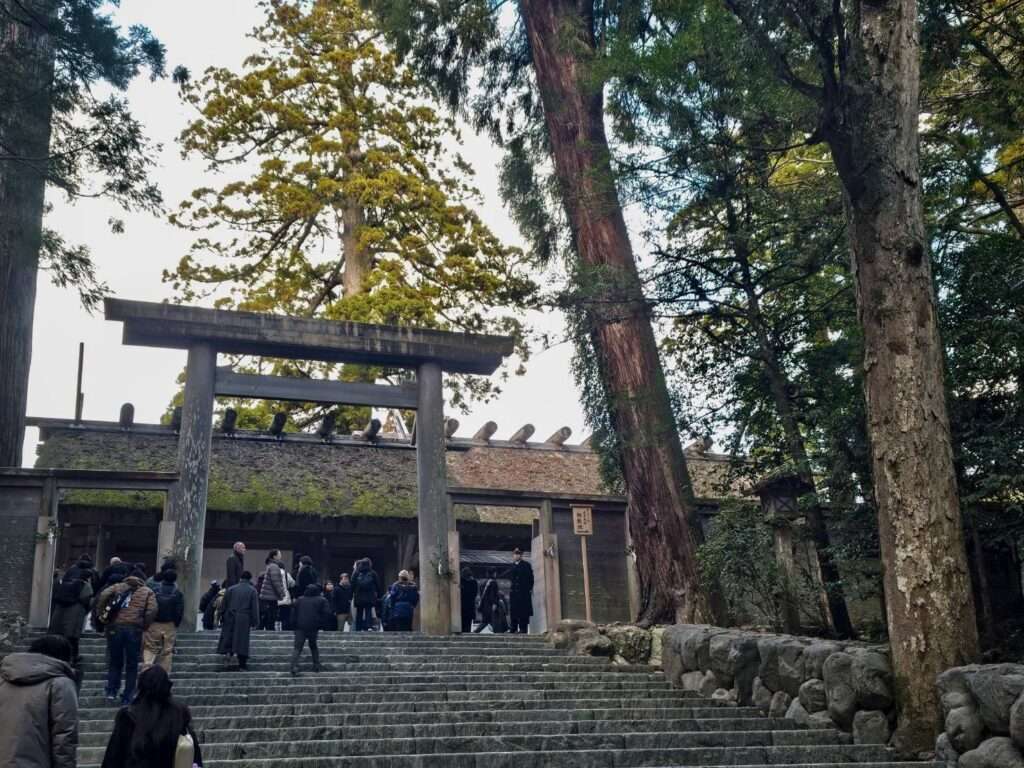
We then finally arrived at the Outer Shrine (Geku), our first stop on this journey. The towering trees surrounding the shrine created a natural sanctuary, separating the sacred grounds from the outside world. This is where we had the chance to perform our first Seishiki sanpai (formal worship).
What is Sanpai ?
Sanpai (参拝) refers to the act of visiting a shrine or temple to pray and pay respects.
In the context of a Shinto shrine, such as Ise Grand Shrine, sanpai involves approaching the sacred space respectfully, offering a prayer, and performing specific gestures typically bowing (usually twice), clapping twice, making a silent prayer, and bowing once more.
It can be done individually as a simple visit, or more formally as part of an organized ritual led by a Shinto priest.
Seishiki Sanpai (正式参拝), meaning “formal worship” is a more structured and ceremonial form of shrine worship. It usually takes place inside a special hall and is conducted by a Shinto priest. Participants wear formal clothes, undergo a purification ritual, and offer a tamagushi (a sacred sakaki branch) during the ceremony. The ritual includes formal prayers recited by the priest on behalf of the participants.
As mentioned earlier, the innermost buildings of Ise Shrine are normally not accessible to visitors. However, because we were participating in the formal worship, we were allowed into a special worship area, closer than most visitors are permitted to go. The privilege alone felt extraordinary.
Before the ceremony began, we entered the sacred area, placing our belongings on shelves and ensuring we were properly dressed. For this experience, formal attire is required, black suits or dresses, and the dress code added to the solemnity of the moment.
The Shinto priest began with a purification ritual, symbolically cleansing us before we approached the sacred space. Watching the ritual unfold felt both unfamiliar and deeply moving.
We then followed him in a line toward the torii gate. Our group leader offered prayers first, and we proceeded to the ceremony respectfully on the side.
13:35 – 16:20
Ise Grand Shrine (Inner Shrine / Naiku) & Okage Yokocho
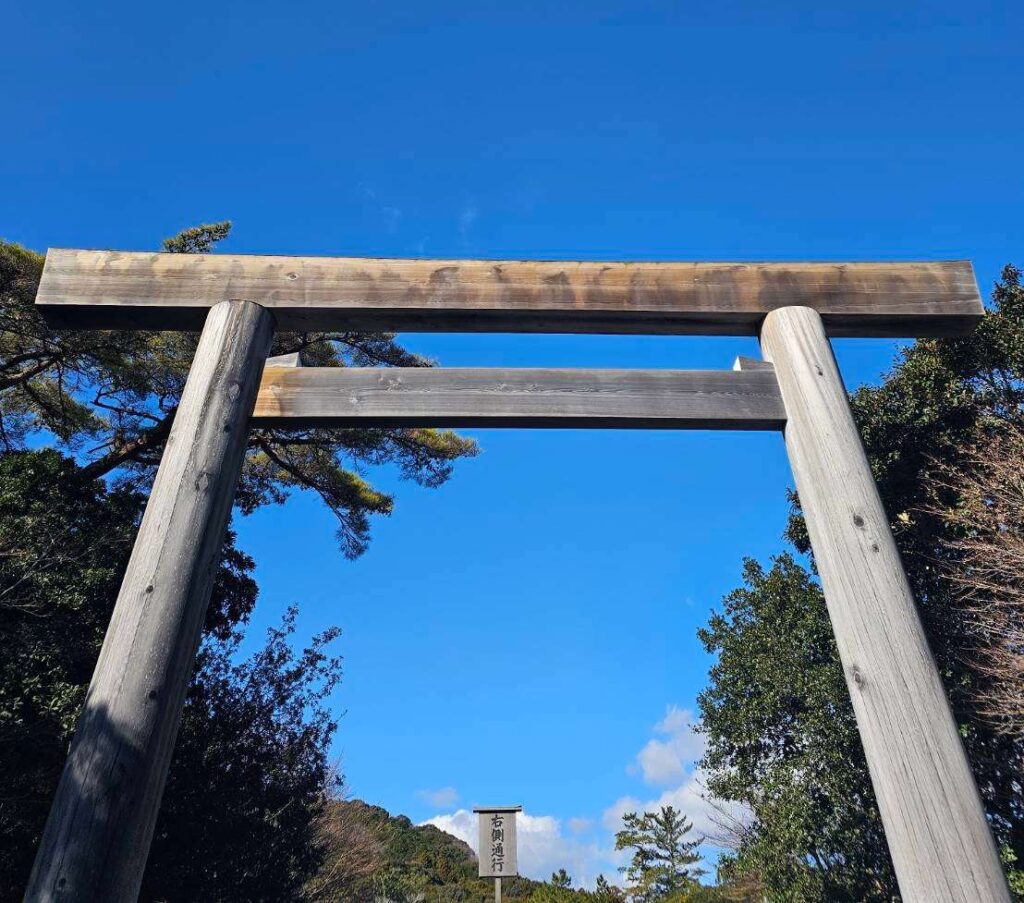
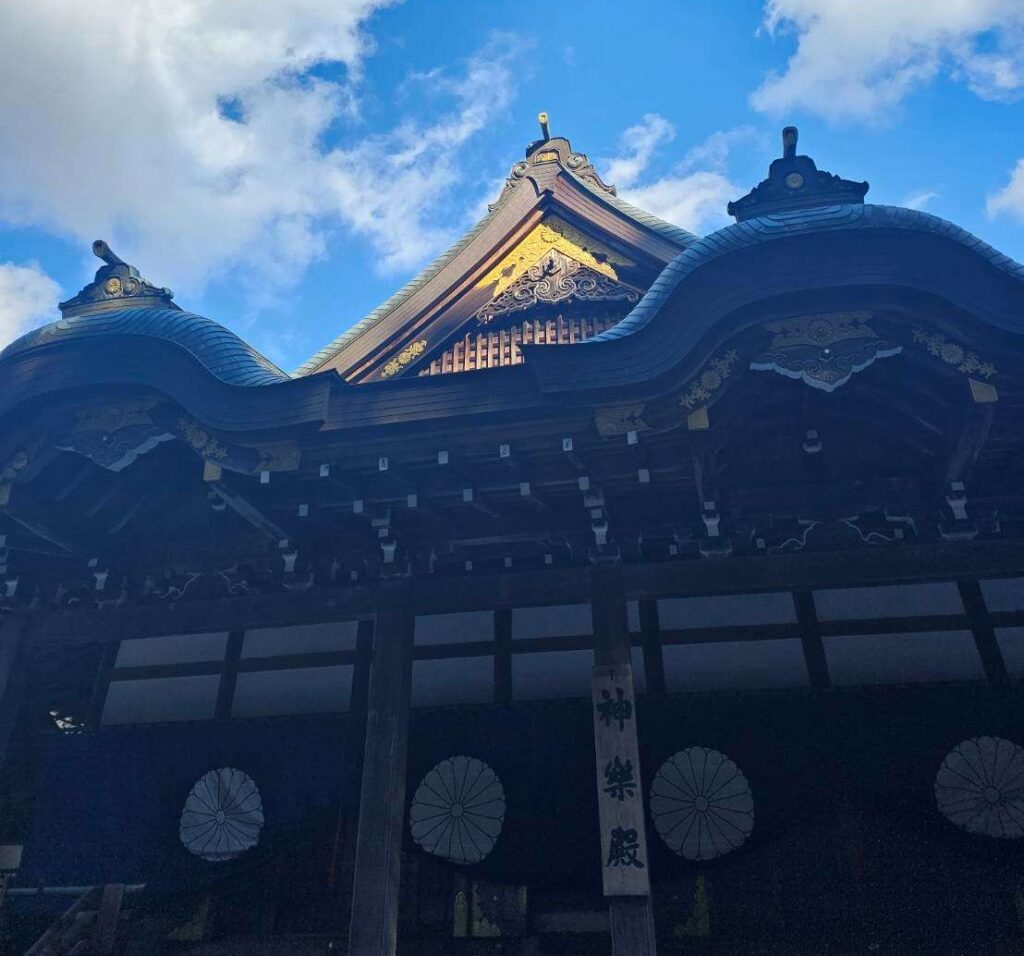
Next, we made our way to the Inner Shrine (Naiku), dedicated to Amaterasu Omikami, the sun goddess and ancestral deity of the Imperial family.
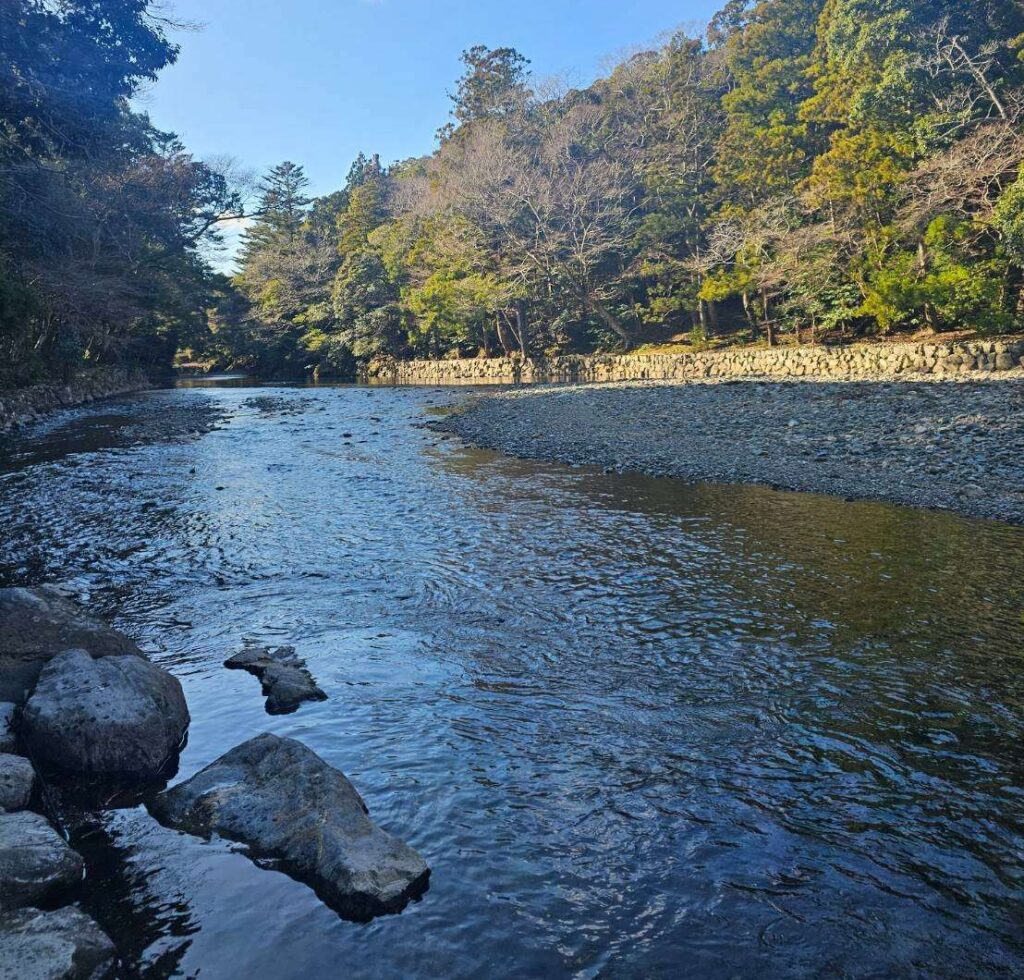
Before our second formal worship (sanpai), we had the rare opportunity to witness Kagura, a sacred Shinto ceremonial dance performed as an offering to the deities.
The performance was mesmerizing. The slow, deliberate movements, the refined costumes, and the accompanying music created an atmosphere that felt almost otherworldly.
Afterward, we proceeded with the worship ceremony, following the same steps as before. This is the same ritual as before so by this time we knew what to do and were a bit more relaxed.
Once the formal part ended, we had a short time to explore. Some members of the group enjoyed zenzai, a sweet red bean dessert often eaten around the New Year — warm, comforting, and nostalgic.
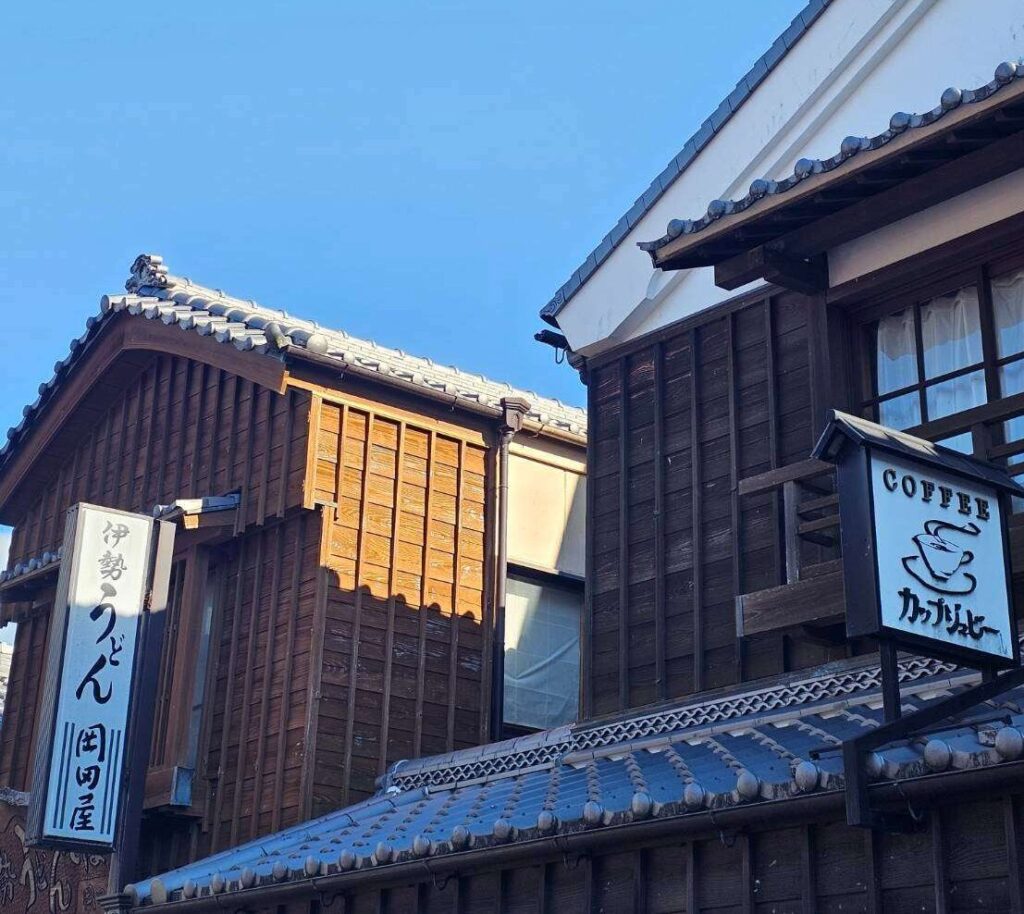
We chose instead to wander through Okage Yokocho, the charming traditional street near the shrine. Lined with beautifully preserved wooden buildings, the street felt like a step back into the Edo period. The scent of grilled delicacies drifted through the air, and the atmosphere was lively yet gentle.
One particularly memorable stop was a small shop where we could create our own omamori (protective charm). We selected the fabric and meaning ourselves, carefully placing small beautiful stones inside to complete it. Crafting something personal after such a spiritual experience felt symbolic, as though we were carrying a small piece of Ise home with us.
17:40 – 18:00
Break at Tsuchiyama Service Area
On the way back, we stopped at Tsuchiyama Service Area.
An interesting thing to note is that you can actually buy some souvenirs as well in the service area, as most service areas in Japan! They usually have a large enough selection of specialities from the region to choose from. So it might be a good way to find some local specialties to bring back home.
19:30
Arrival at Shin-Osaka – End
We returned to Shin-Osaka at 19:30.
The day was really intense but it was such a privileged experience to be able to witness this side of Japan. Experiencing the rituals firsthand, walking through the sacred forests of Ise, and sharing the journey with the group made it much more meaningful.
When wishing to go off the beaten track in Japan, this is definitely an experience worth doing and that will offer you the chance to understand Japanese culture on a deeper level that a simple visit might not give access to.
Want to Experience our Ise Shrine Tour for yourself?
Experiences such as formal worship ceremonies and Kagura offerings are not easily arranged through standard sightseeing tours.
We carefully coordinate with shrines and temples, building trusted relationships to ensure that formal worship and other special cultural experiences are arranged with the utmost respect for their spiritual and cultural significance.
If you are seeking a quiet, profound encounter with the true essence of Japan, we would be pleased to assist you.
What we offer
Going to Ise Jingu is a very spiritual experience in itself as the place has a very mystical atmosphere and you can feel the importance of this temple in Japanese culture. What we offer is to go even deeper and participate in the blessings and ceremonies as well to gain a better understanding of Shintoisme.
As mentioned before, the inside of Ise Jingu is fully closed to the public. Simple visitors will only see the outer fence of the main sanctuary. While you cannot enter the most sacred areas, you can have the chance to enter the worship area and be blessed by one of the priests by participating in a Seishiki Sanpai.
This is an experience unique to Japan and to participate in one, you need to contact the shrines directly and organize the ceremony. As this is not easily accessible, even for Japanese people, we will organize everything through our contacts so that you can have the opportunity to witness such a singular experience. We also want to make this experience even more unique as we include the viewing of a Kagura ceremony as well. Those experiences will make you see another side of Japan that is very different from a tourist point of view.