
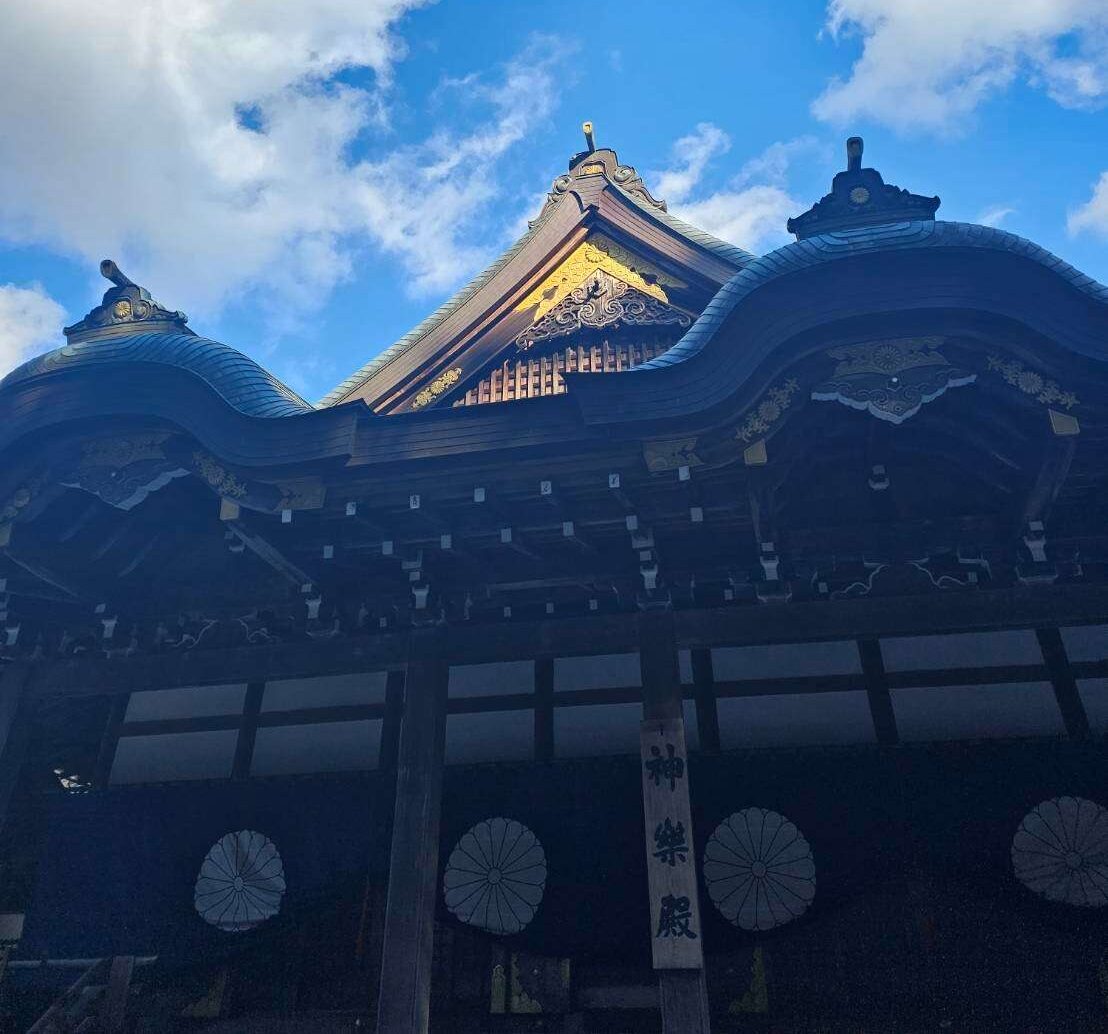
Japan is home to thousands of shrines, but none holds a place as sacred and revered as Ise Grand Shrine (Ise Jingu, officially ‘Jingu’).
Ise Shrine is located in Ise, Mie Prefecture and is Japan’s most sacred Shinto site, with a history spanning over 2000 years centered around the worship of the Sun Goddess Amaterasu Omikami.
Ise Jingu : The Sacred Complex
Ise Jingu includes an impressive number of 125 jinja (shinto shrines), and features two main shrines Kotaijingu (Naiku) or “Inner Shrine” and Toyo’ukedaijingu (Geku) or “Outer Shrine”.
This shrine complex is considered the spiritual center of Shinto, Japan’s indigenous religion.
Shinto (神道, “the Way of Gods”) is Japan’s native belief system. Unlike many other religions, it does not have a single founder, a sacred scripture comparable to the Bible or Quran, and no formal doctrine.
Instead, Shinto belief is rooted in rituals, nature worship and the veneration of kami, spiritual beings or sacred presences that inhabit the natural world.
Kami can be natural elements like mountains (the famous Mt Fuji for example is considered one), rivers and wind, ancestral spirits or mythological deities. Shinto focuses on purity and ritual cleansing, harmony with nature and gratitude and respect toward the divine rather than sin or salvation. Shinto rituals are about maintaining balance and spiritual cleanliness.
More than 1,500 rituals are conducted here yearly to pray for the prosperity of the Imperial family, the peace of the world, and abundant harvests.
Pilgrims usually worship the enshrined kami in front of the gate of the third row of the fence.
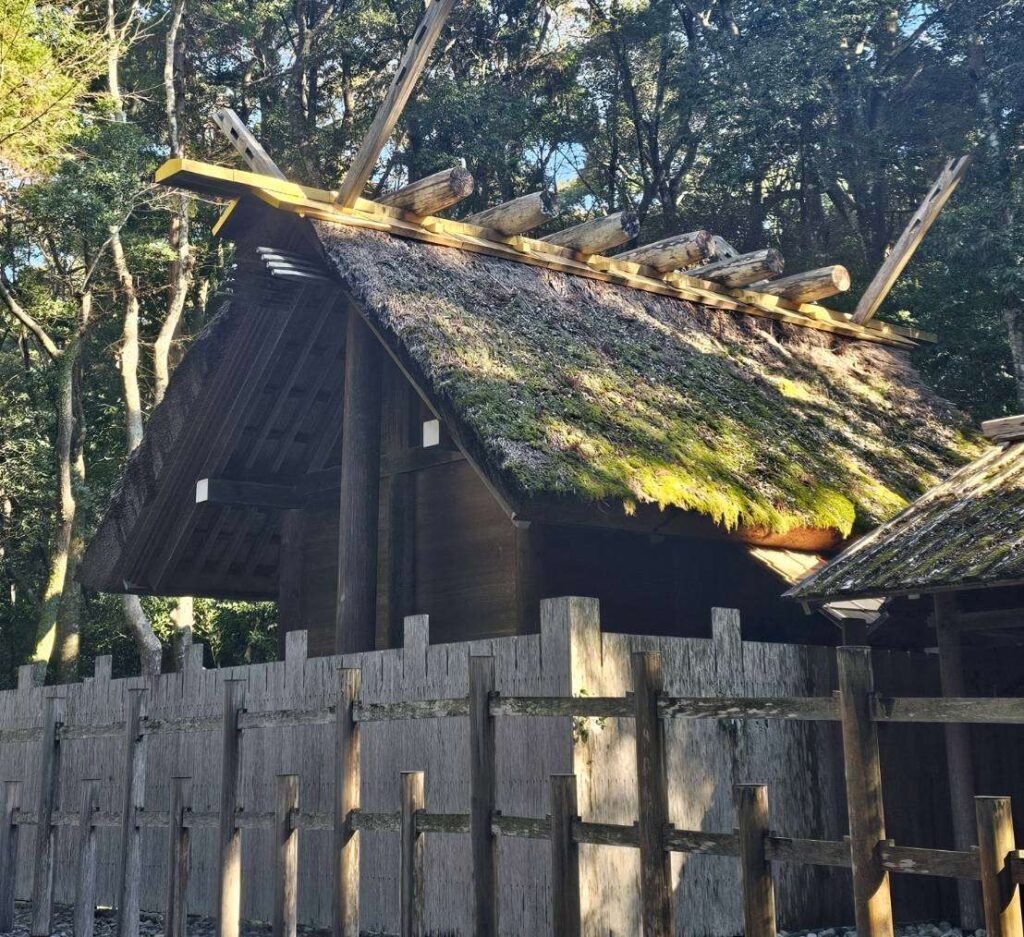
The shrine buildings are constructed in a unique architectural style known as Shinmei-zukuri, characterized by simplicity, the use of untreated Japanese cypress (hinoki wood), and the absence of nails. The design reflects ancient storehouse architecture and expresses purity and harmony with nature.
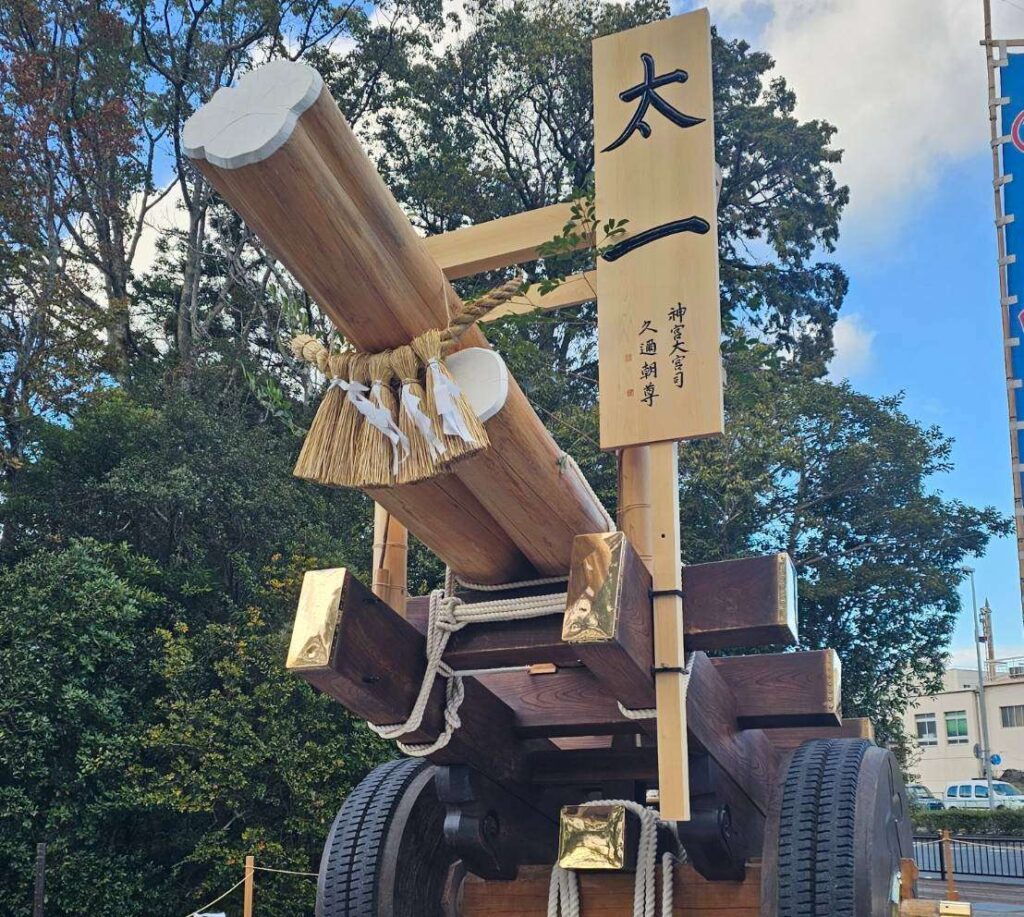
One of the most remarkable traditions of Ise Jingu is the Shikinen Sengu ceremony. Every 20 years, the main shrine buildings are completely rebuilt in an adjacent site. This ritual has been repeated for more than 1,300 years. It symbolizes renewal, continuity and the transmission of traditional craftsmanship from one generation to the next.
Kotaijingu (Naiku)
Kotaijingu (Naiku) is the most venerable sanctuary in Japan. It is a jinja (Shinto shrine) dedicated to Amaterasu-Omikami, the ancestral kami of the Imperial family. According to mythology, she was enshrined in Naiku about 2,000 years ago and has since been revered as a guardian deity of Japan.
Pilgrims usually worship the enshrined kami in front of the gate of the third row of the fence, as access to the innermost sanctuary is strictly limited to members of the Imperial family and high-ranking priests.
Visitors first cross the Uji Bridge over the Isuzu River, symbolically leaving the ordinary world behind before entering the sacred grounds. After purification at the temizuya (water pavilion), they proceed quietly through the forested path toward the main sanctuary.
The atmosphere of Naiku is solemn and deeply peaceful, surrounded by centuries-old trees that enhance the feeling of spiritual presence.
Toyo’uke-daijingu (Geku)
Toyo’uke-daijingu (Geku), or the “Outer Shrine”, is dedicated to Toyo’uke-no-Omikami, the deity of food, clothing, and shelter. She is regarded as the provider of daily necessities and the guardian of industry and agriculture.
Traditionally, visitors pay their respects at Geku before proceeding to Naiku, following the custom established centuries ago.
Restricted Access and Sacred Boundaries
Unlike many other shrines in Japan, Ise Jingu is not fully accessible to worshippers. The most sacred areas of both Kotaijingu (Naiku) and Toyo’uke-daijingu (Geku) are strictly closed to the public.
Visitors may approach only up to the outer fence of the main sanctuary. The innermost buildings, where the sacred object representing Amaterasu-Omikami is enshrined, are not visible. Access beyond these boundaries is traditionally limited to members of the Imperial family and selected high-ranking priests.
While ordinary visitors cannot enter the inner sanctuaries, they may participate in formal worship ceremonies by making a special offering. Even in these cases, access remains limited to designated worship areas and does not extend to the innermost shrine buildings.
Kagura at Ise Jingu
Another important ritual practice at Ise Jingu is kagura, a form of sacred Shinto music and dance offered to the kami.
Kagura performances consist of traditional court-style music (gagaku), rhythmic chanting, and ritual dance carried out by shrine maidens (miko) and priests. The movements are slow and symbolic, intended as an offering rather than entertainment.
At Ise Jingu, kagura is performed as part of special prayer ceremonies requested by worshippers. Through music and dance, gratitude and petitions are conveyed to the enshrined deities. The practice traces its origins to ancient mythology, when the goddess Ame-no-Uzume is said to have performed a dance to draw Amaterasu out of a cave and restore light to the world.
In this way, kagura connects ritual performance, mythology, and devotion, preserving one of the oldest forms of spiritual expression in Japan.
Ise Jingu is not only a historical monument but an active spiritual center. For many Japanese people, visiting Ise at least once in a lifetime is considered highly meaningful. Through its rituals, architecture and deep connection to mythology and the Imperial family, Ise Jingu remains the sacred heart of Shinto Japan.
We had the rare opportunity to experience Ise not simply as visitors, but from a deeply Japanese perspective, taking part in a tour centered on Shinto tradition and sacred blessings. Check out our experiences here!