
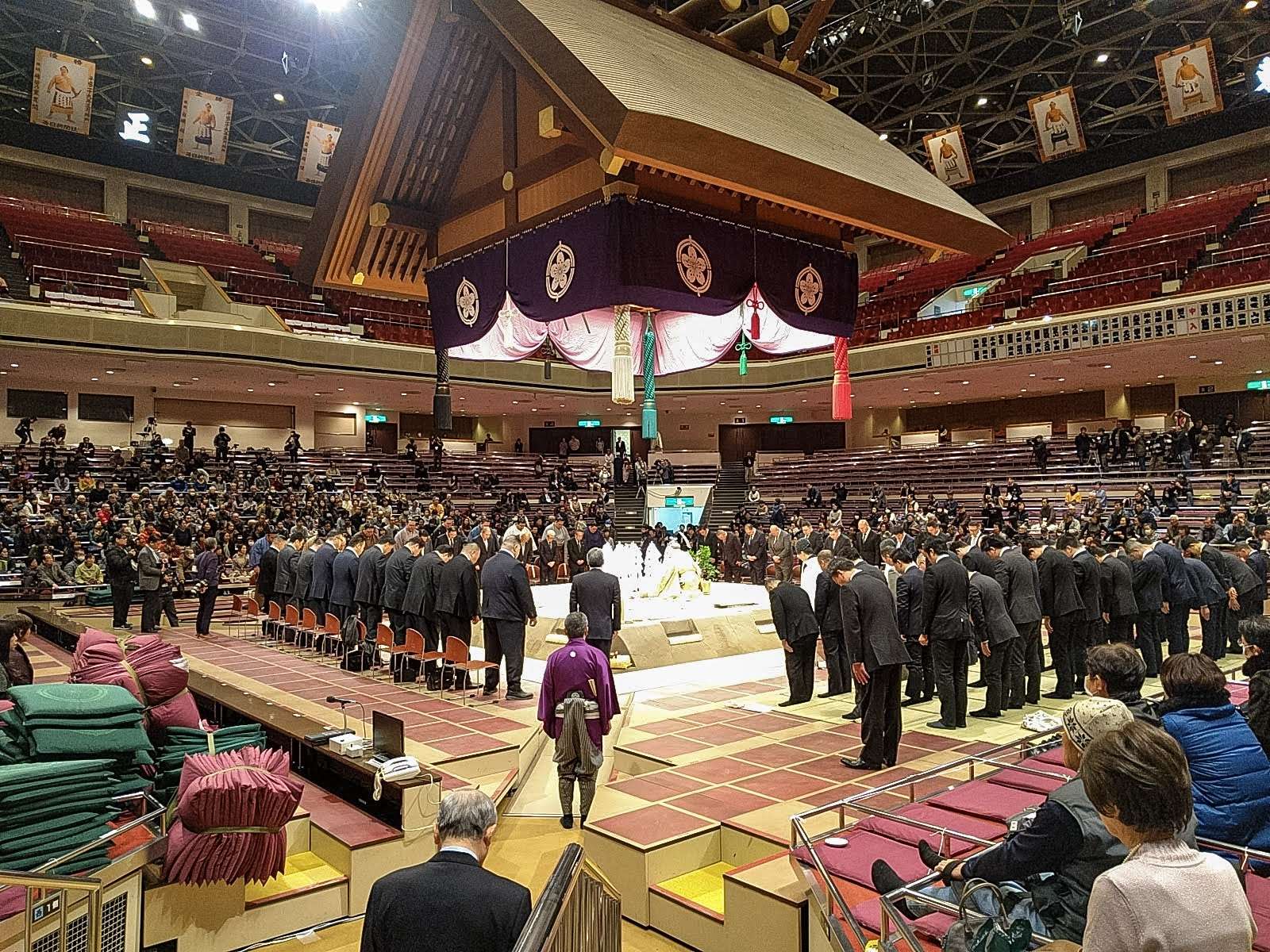
Every autumn, a distinct energy takes over eastern Tokyo. The oppressive heat of midsummer begins its slow retreat, giving way to crisp air, clear skies, and one of Japan’s most captivating athletic spectacles: the Aki Basho, or September Grand Sumo Tournament.
Held at the legendary Ryogoku Kokugikan arena, this 15-day event is the fifth official tournament (honbasho) of the year and the final opportunity to witness top-tier professional sumo in the capital before the sport moves west for the winter. For travelers, attending the tournament offers a living window into centuries of Shinto ritual, raw drama, and vibrant neighborhood tradition.
Traveling in September: Weather, Atmosphere, and Typhoons
September is a transitional month across Japan. While early September can still carry the humid warmth of late summer with temperatures hovering around 28°C to 31°C (82°F–88°F), by late September the climate softens into mild, comfortable autumn afternoons near 22°C (72°F).
Because September sits between peak summer holidays and the late-autumn foliage rush, travelers benefit from lighter crowds across major tourist sights. It is, however, worth noting that September falls squarely within Japan’s typhoon season. Passing tropical storms can bring sudden, heavy rainfall, though urban transit systems recover quickly. Keeping a flexible schedule, and having indoor cultural events like sumo on your itinerary, makes navigating September weather effortless.
Navigating the Ticketing System: How to Secure Your Seats
Securing tickets for a Tokyo honbasho requires advance preparation. General ticket sales for the September tournament officially open roughly a month prior to the event (typically in early August). Weekend tickets and seats for the final two days (Shoraku-yoshi) frequently sell out within minutes of release.
Official Platforms & Methods for International Visitors
| Booking Platform | Best For | Payment & Pickup |
| Ticket Oosumo (Official JSA Portal) | Direct face-value booking with an English interface | Credit card payment online; issued as a voucher picked up at Japanese 7-Eleven stores. |
| BuySumoTickets (Third-Party Agency) | Travelers who want pre-orders before general sales open | Handles buying on opening day on your behalf; delivers physical tickets to your hotel or home address. |
| Lawson Ticket / Ticket Pia | Travelers already in Japan or comfortable navigating domestic ticketing | Purchased via online machine portals or in-store terminals (Loppi / Multi-copy). |
Crucial Tip: Same-day general admission tickets sold at the arena box office have been largely phased out or are extremely limited. Do not rely on walking up to the stadium on the day of the match without a pre-booked ticket!
Understanding the Seating Options
Ryogoku Kokugikan features three primary tiers of seating, each offering a vastly different viewing experience:
- Ringside Seats (Tamari-seki):
The closest seats surrounding the clay ring (dohyo). Spectators sit on floor cushions right next to the action. These seats are almost exclusively distributed via official lotteries or fan club sponsors. Note: Eating, drinking, and flash photography are strictly forbidden in this section for safety. - Box Seats (Masu-seki):
Located on the lower bowl level, these are traditional, square partitioned spaces on a raised platform where up to four people sit together on floor cushions. They are ideal for families or groups, offering an authentic Japanese viewing style where you can eat, drink, and socialize throughout the day. - Arena Chair Seats (Isu-seki):
Situated on the upper balcony levels. These feature standard stadium chairs with backrests, offering full panoramic views of the arena. Chair seats are the most budget-friendly option and are generally easier for international travelers to book individually.
The Rhythm of Tournament Day
Inside the Kokugikan, a tournament day unfolds slowly, building momentum from morning until early evening. Your ticket grants you entry for the entire day, allowing you to enter and re-enter according to your schedule.
08:30 AM ── Junior Divisions (Jonokuchi to Makushita)
• Quiet atmosphere, fundamental techniques, empty hall
02:15 PM ── Juryo Division (Second-Tier Professionals)
• Crowds begin to gather, match intensity ramps up
03:30 PM ── The Dohyo-iri Ceremony
• Top-tier Makuuchi wrestlers enter in silk aprons
04:00 PM ── Makuuchi Division (The Main Event)
• Peak stadium energy, Yokozuna & Ozeki bouts
06:00 PM ── Bow-Twirling Ceremony (Yumitori-shiki) & Conclusion
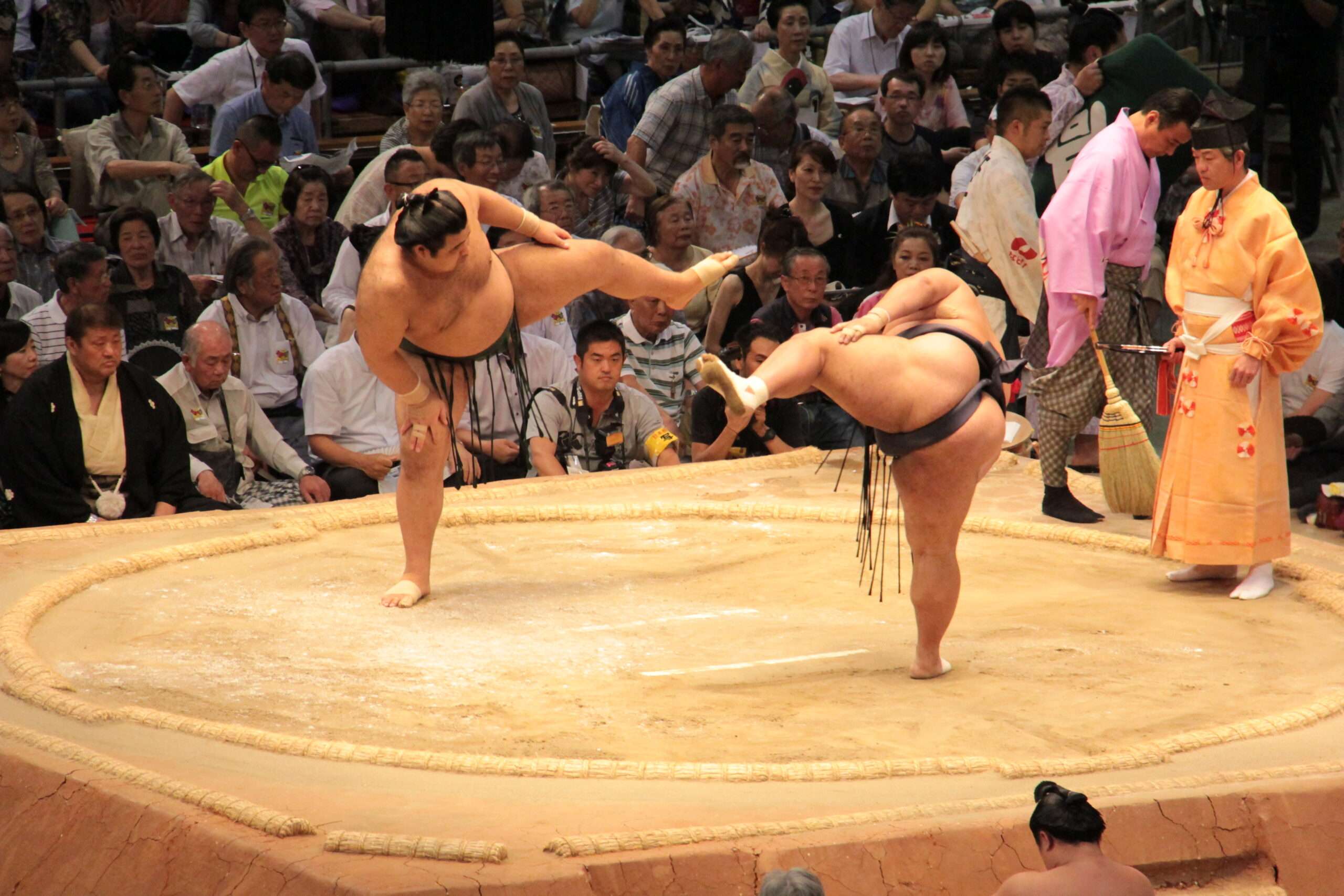
In the morning, the stadium is quiet and atmospheric. Junior wrestlers clash on the clay ring (dohyo) with only the resounding slap of skin and the shouts of referees (gyoji) filling the hall. As afternoon approaches, the arena fills with thousands of spectators, scenting the air with sweet bintsuke-abura (the traditional hair wax oil used to style the wrestlers’ topknots).
By 3:30 PM, the grand entrance ceremony (Dohyo-iri) takes place. Top-tier Makuuchi wrestlers process into the ring wearing elaborate hand-sewn silk aprons (kesho-mawashi), bringing the crowd to a roar. The final two hours deliver rapid-fire, explosive bouts where matches are decided in mere seconds.
Experiencing Ryogoku: Food, Culture, and Etiquette
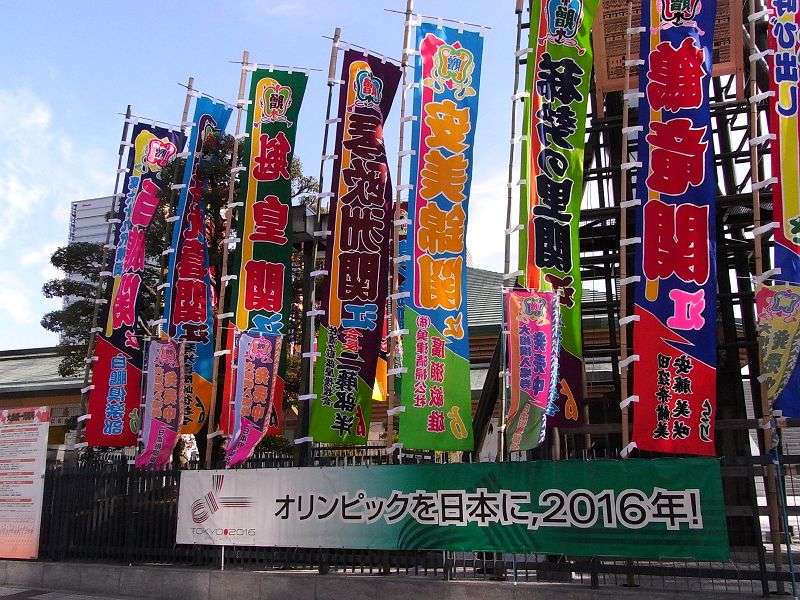
The sumo experience extends well beyond the arena floor. The surrounding neighborhood of Ryogoku transforms into a festival ground for the duration of the tournament.
- Kokugikan Yakitori: Inside the stadium concourse, don’t miss the famous cold-served grilled chicken skewers prepared in the arena’s basement kitchens—a stadium tradition as iconic as the sport itself.
- Chanko Nabe Dinners: After the final bout at 6:00 PM, join the crowds pouring into local neighborhood eateries for chanko nabe. This rich, protein-packed hot pot loaded with chicken meatballs, tofu, and vegetables is the staple diet used by wrestlers to build strength.
- Matchday Etiquette: Spectators are encouraged to cheer for their favorite wrestlers, but avoid standing up during active bouts so you don’t block the view of people behind you. When an upset occurs and a Yokozuna (Grand Champion) is defeated, it is traditional for spectators in box seats to throw their seat cushions (zabuton) into the ring!
Whether you spend the whole day in the arena soaking in the lower division bouts or arrive in the afternoon for the main events, Tokyo’s September tournament remains one of the most unforgettable cultural highlights on Japan’s calendar.
Written by : Salomé