
Often referred to as Japan’s sunny “Nangoku” (southern land), Kochi Prefecture is a breathtaking region that immediately grabs your attention. Coming from cities like Osaka, you can feel the warmth right away—it easily felt about 3°C hotter! But beyond the heat, Kochi holds a special charm filled with incredible food cultures, rich samurai history, and vibrant local markets.
If you are planning an escape off the beaten path, here is what made our trip to Kochi so unforgettable.
The Legendary Food Scene: Katsuo, Dumplings, and Unagi’s Cousin
When anyone mentions Kochi, the first thing that comes to mind is Katsuo no Tataki (seared skipjack tuna).
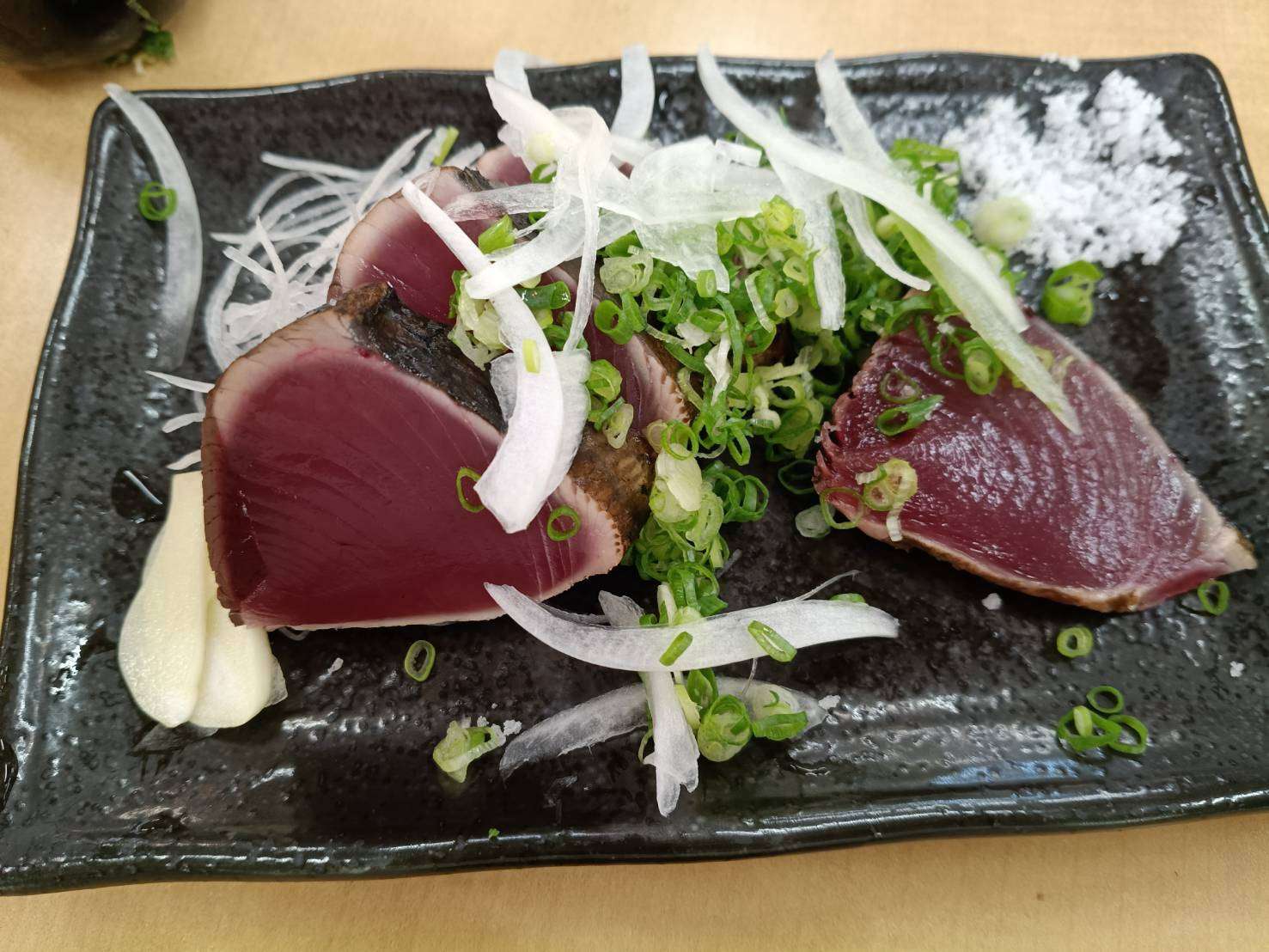
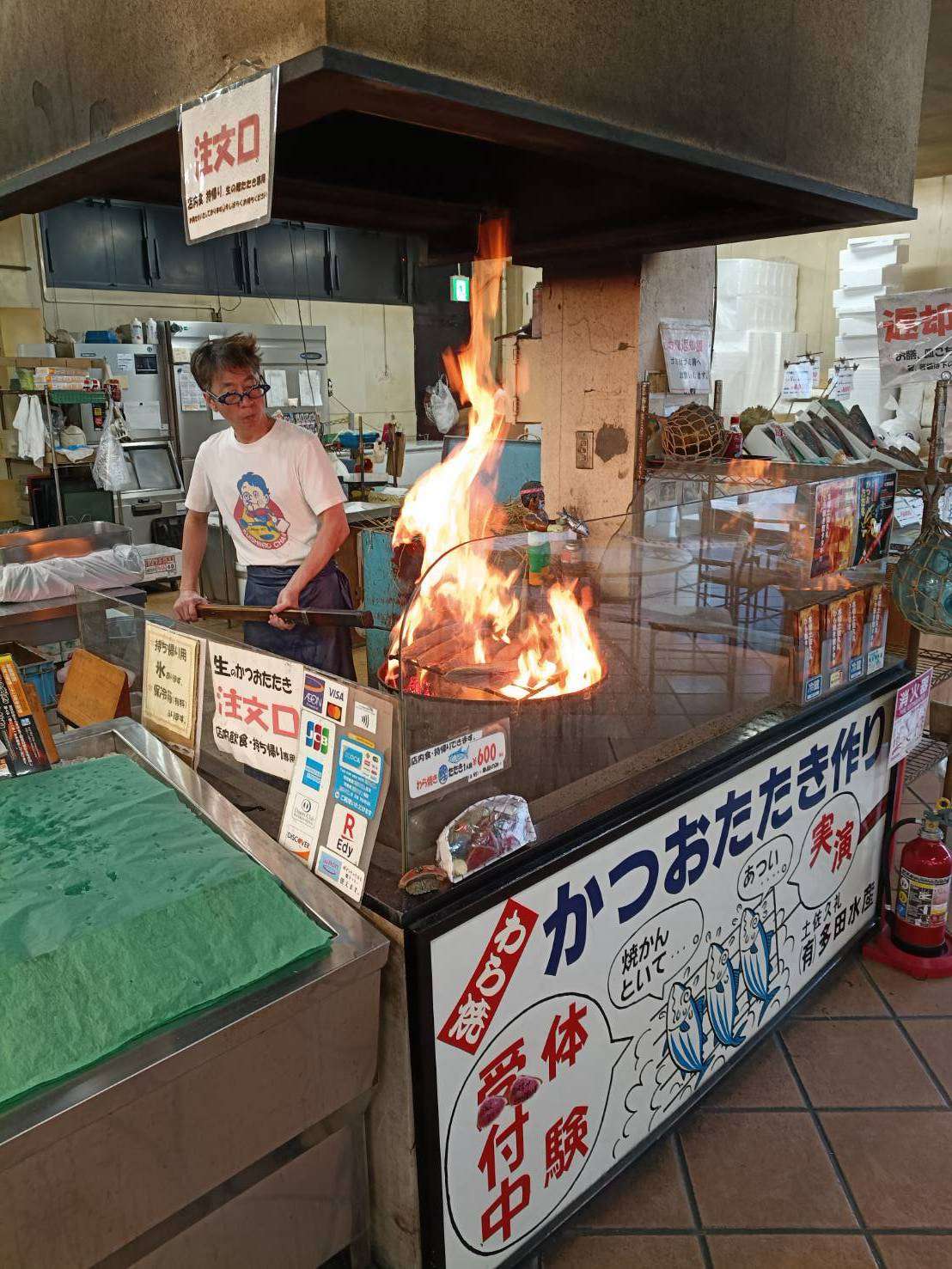
We drove about 50 minutes from Kochi Ryoma Airport to a coastal town called Susaki. In Kochi, the authentic way to eat katsuo is straw-seared (warayaki), served warm, and seasoned simply with coarse sea salt. Coming from Tokyo or Osaka, the difference in quality is shocking: the fish is a brilliant, healthy pink color—so rich you could almost mistake it for tuna (maguro)—and there isn’t a single hint of fishiness. Just pure, melt-in-your-mouth flavor.
Exploring the Markets & Local Favorites
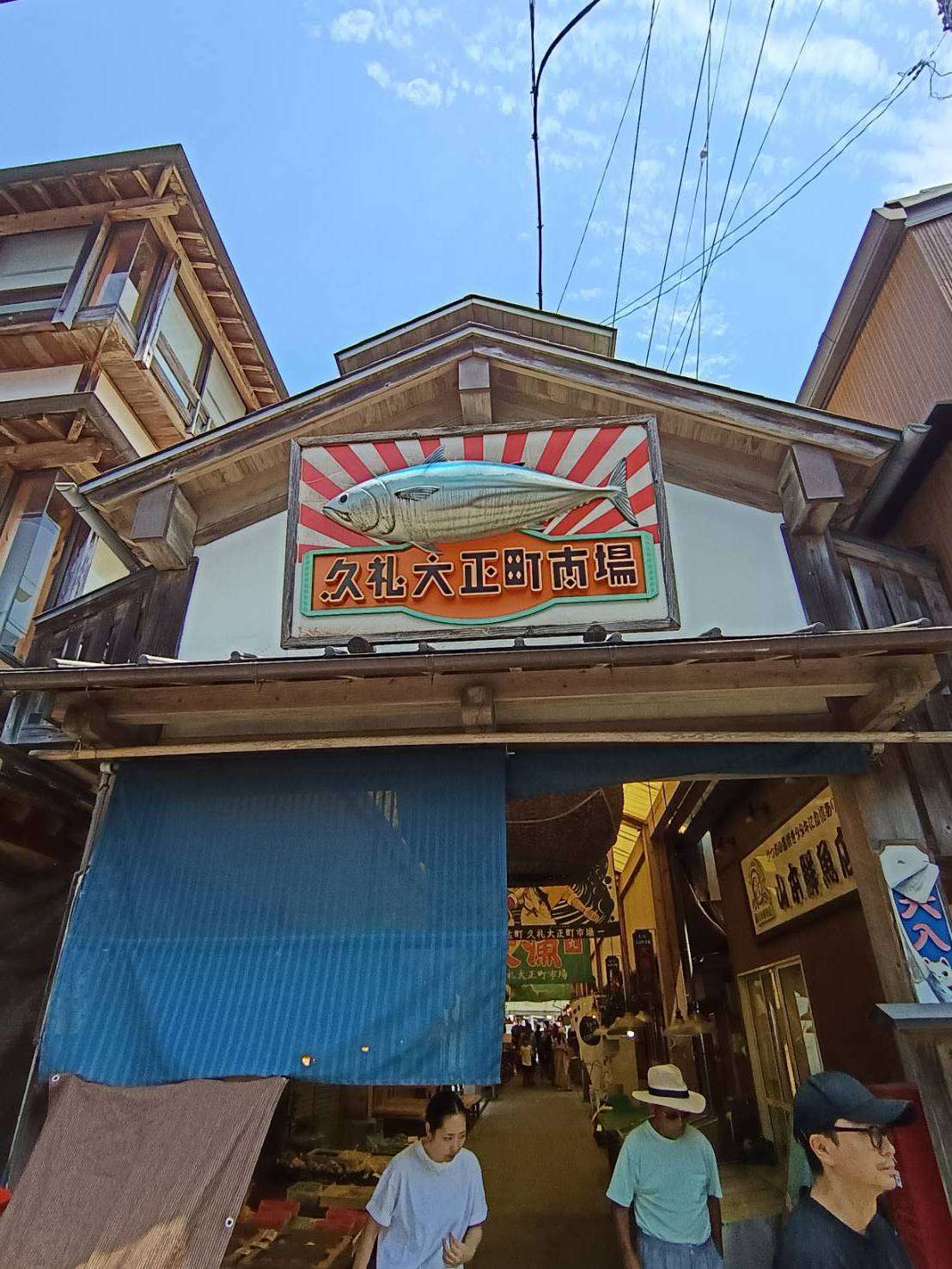
- Kure Taisho Market (久礼大正町市場): The surrounding town is beautifully preserved to keep a retro, Taisho-era aesthetic, making a stroll through the market feel like stepping back in time.
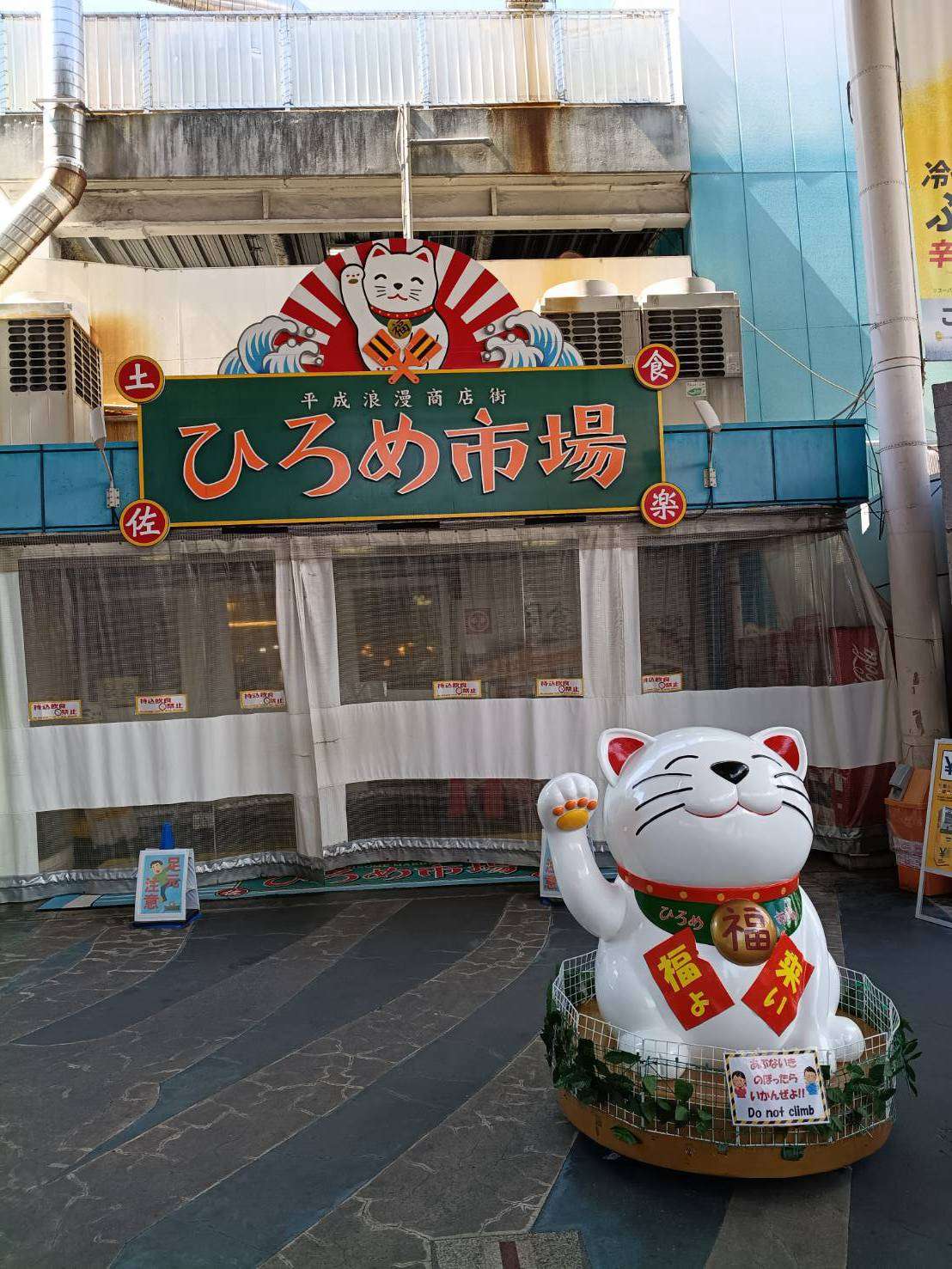
- Hirome Market (ひろめ市場): This famous food hall is an absolute must-visit. The system is fantastic: grab a seat at one of the open tables and order food from any of the surrounding stalls to bring back to your spot. Best of all, it stays open late!
- Must-Try Eats: The world-famous Yasube gyoza (crispy fried dumplings), Utsubo (moray eel) tataki and karaage, and the local sweet staple, Imoten (sweet potato fritters).
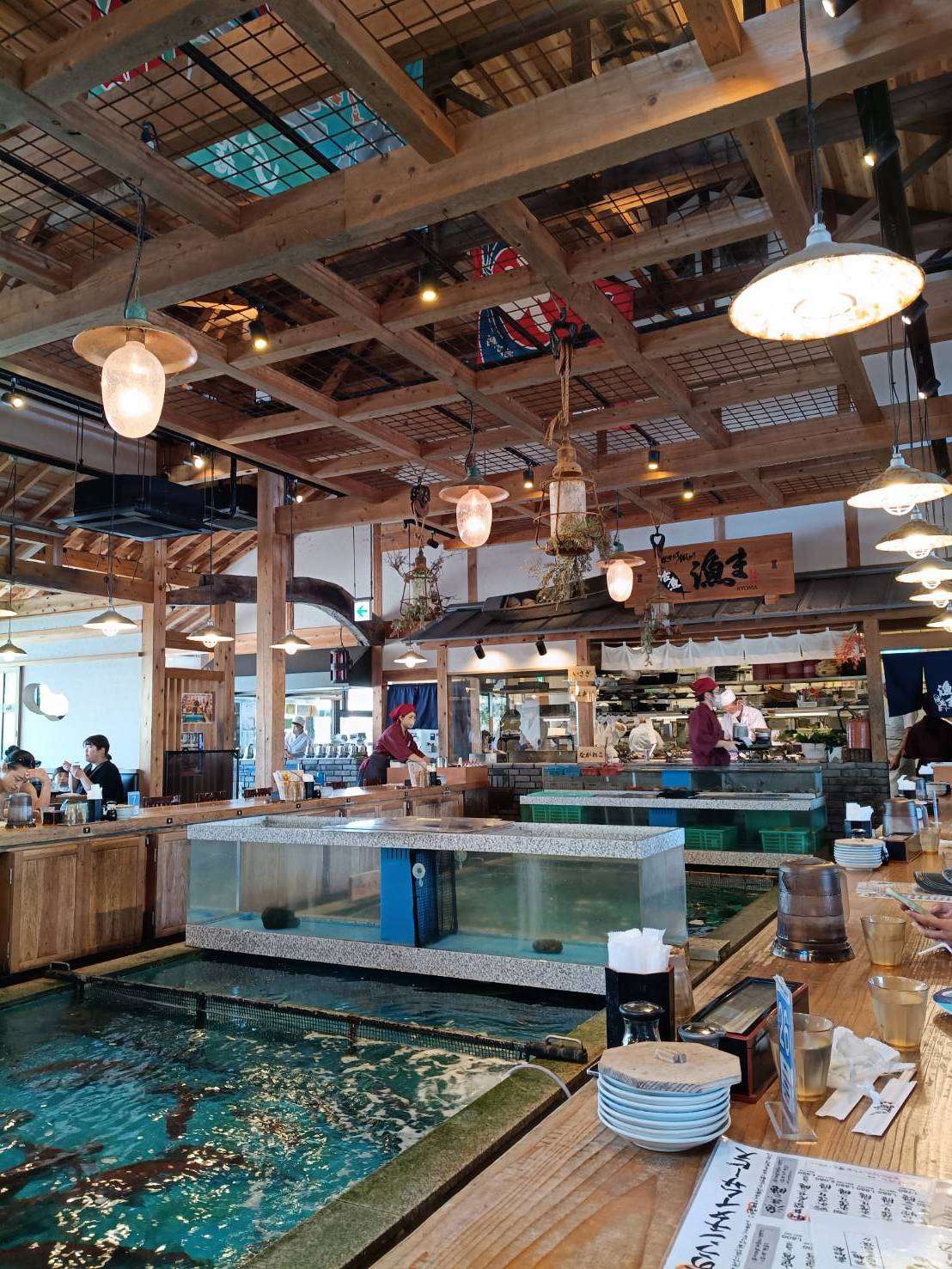
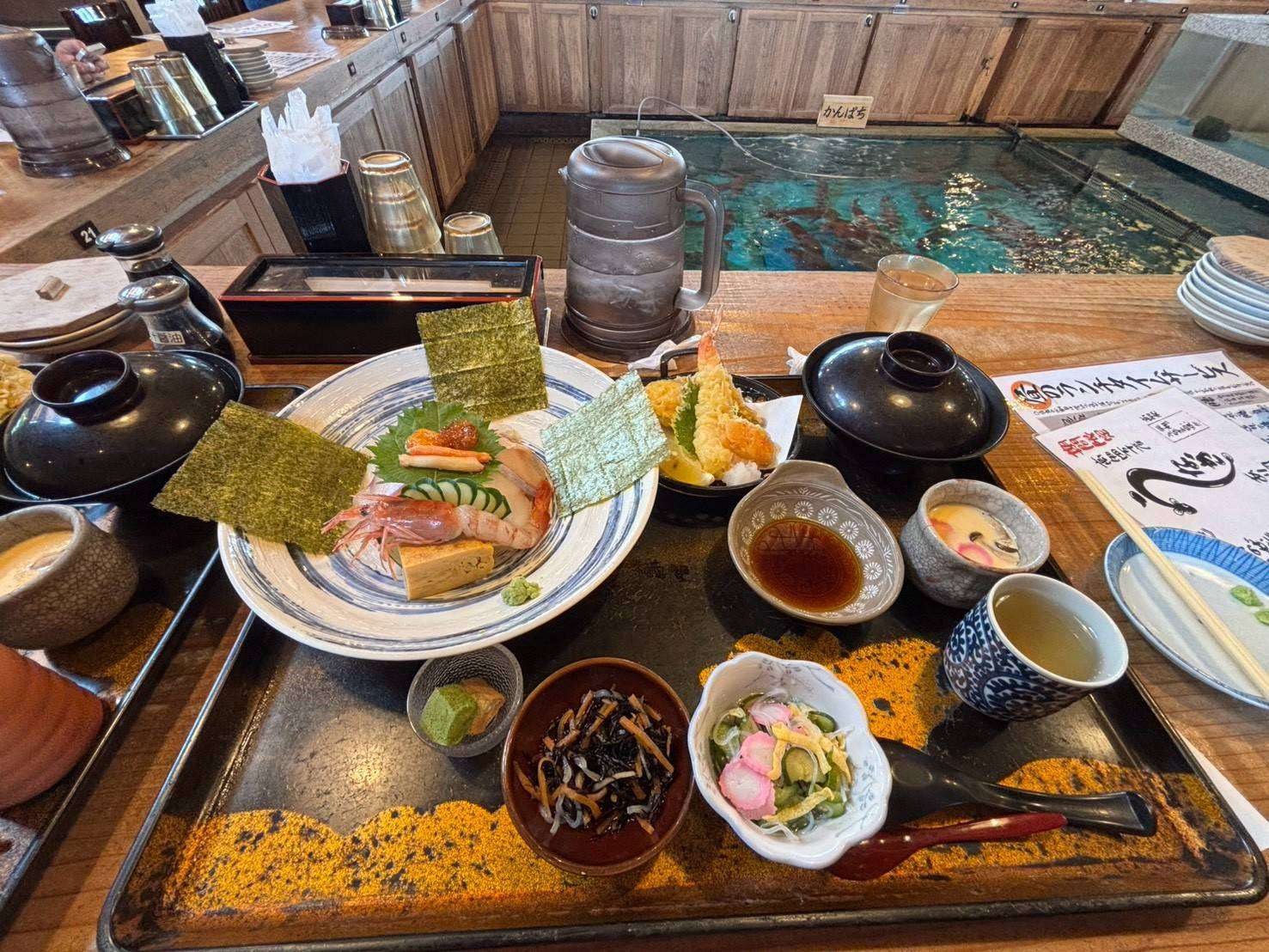
- A Unique Local Lunch: We also stopped for lunch at a spot recommended by locals, where live fish swim in tanks right inside the restaurant. The line of locals waiting outside proved just how good it was—the taste completely blew us away!
Kochi’s Ultimate Comfort Noodle: Jan-men
Kochi is secretly a massive ramen destination! Beside the famous Nabeyaki Ramen, you have to try Jan-men (ジャン麺)—a rich, savory noodle bowl loaded with chives, organ meat (horumon), and egg.
We went straight to the main restaurant (Honten) to try it. The menu proudly proclaims that this ramen is “made to be loved by rice,” highly encouraging you to order a bowl of white rice on the side. Following their advice and dipping the rice into the rich broth was perfection! (Good news for city dwellers: while they haven’t opened in Tokyo yet, two locations have recently popped up in Osaka!).
Navigating Kochi City: Trams & Famous Landmarks
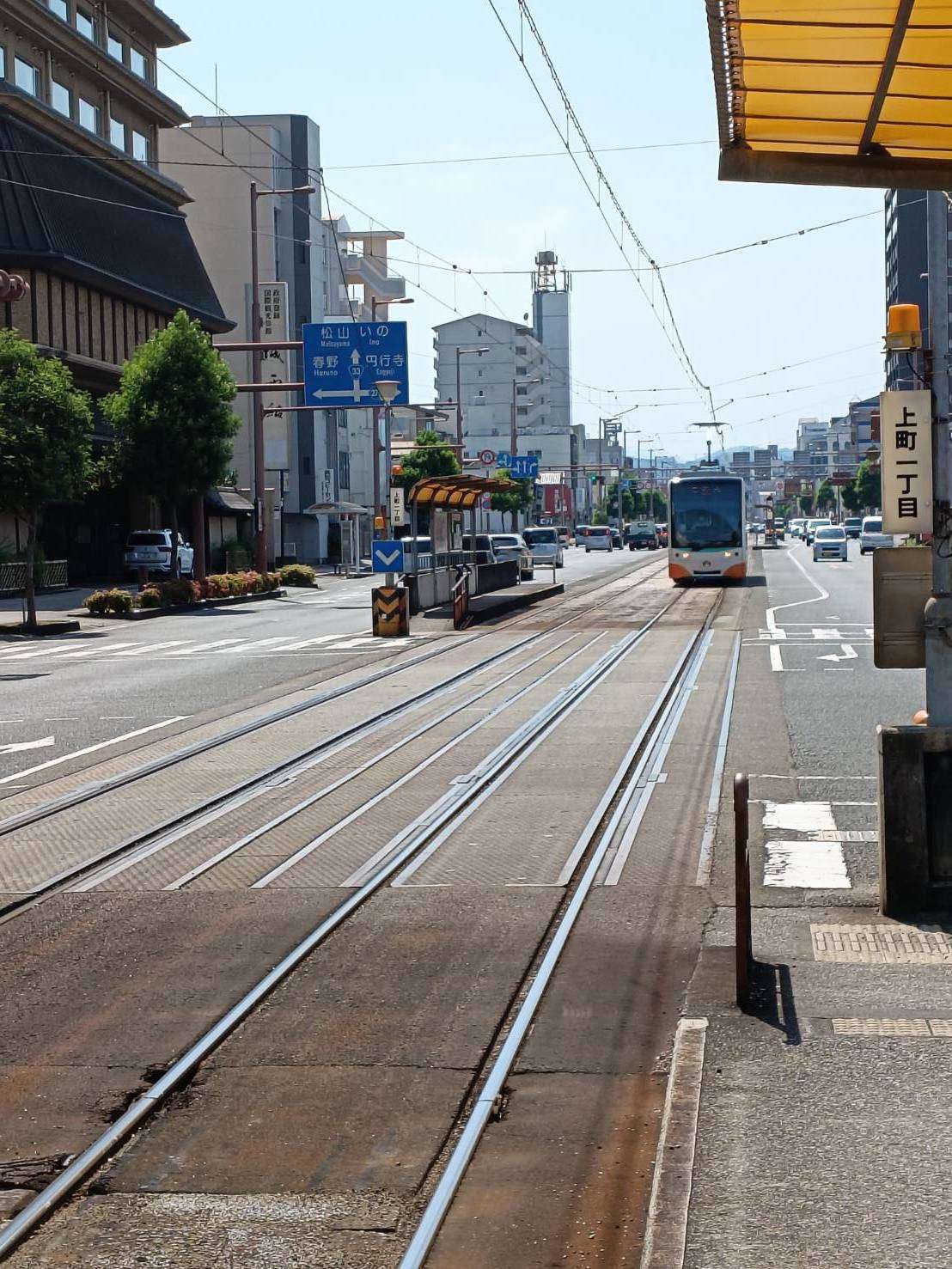
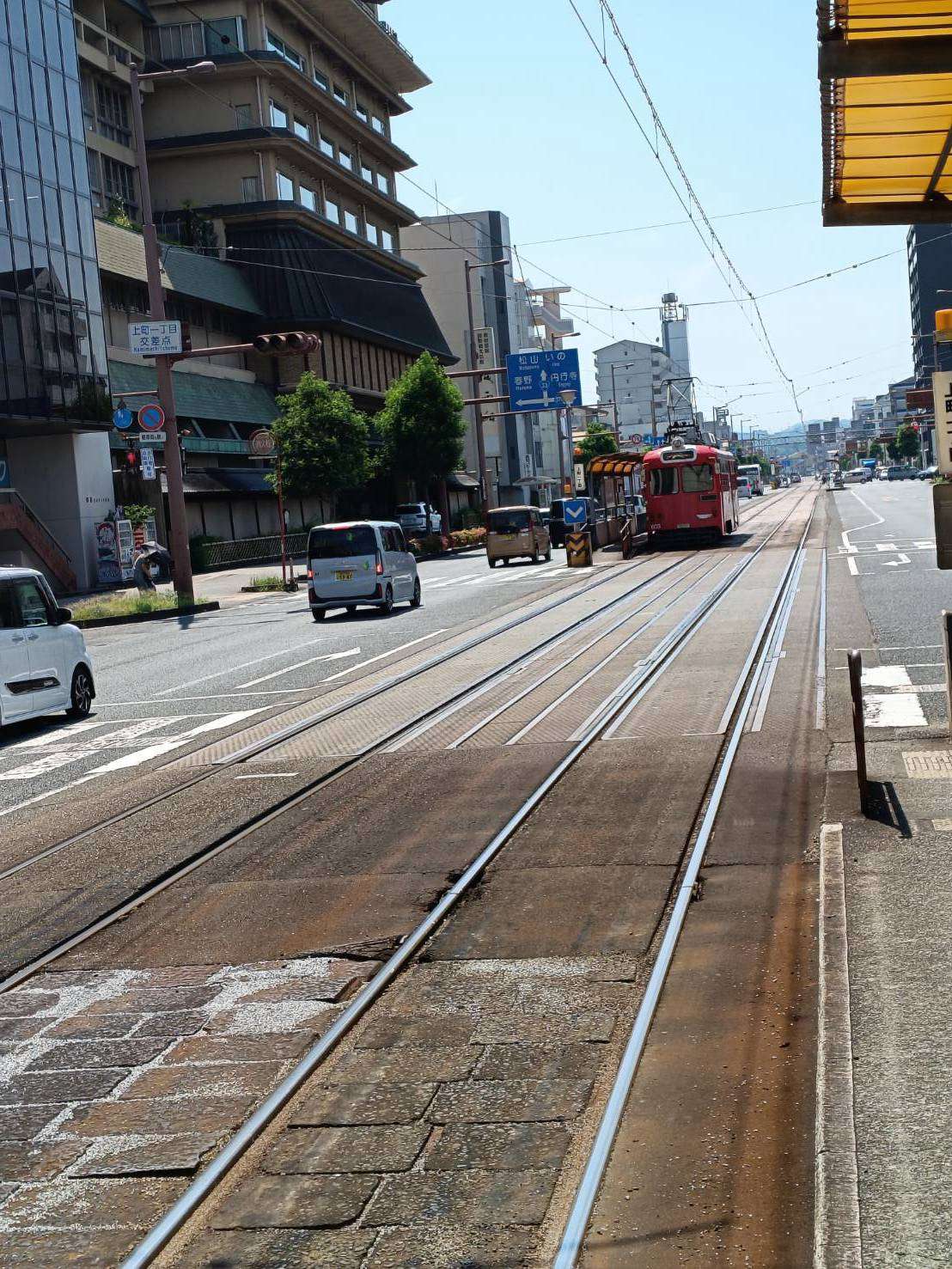
Getting around Kochi City is incredibly convenient thanks to the historic Tosaden streetcars.
💡 Traveler’s Transit Tip: A single short ride on the tram costs a flat fee of 230 yen. However, you can buy a 1-Day Tram Pass inside the train for just 500 yen! If you plan on making at least three stops during the day, purchasing the 1-day pass is an absolute steal.
Harimaya Bridge (はりまや橋)
Known contextually across Japan as one of the “Three Most Disappointing Landmarks” (alongside Sapporo’s Clock Tower and Nagasaki’s Dutch Slope), we had to see it for ourselves. True to its reputation, the bright red bridge is remarkably short and there isn’t much surrounding it—but checking it off the list is a rite of passage!
History & Heritage at Kochi Castle
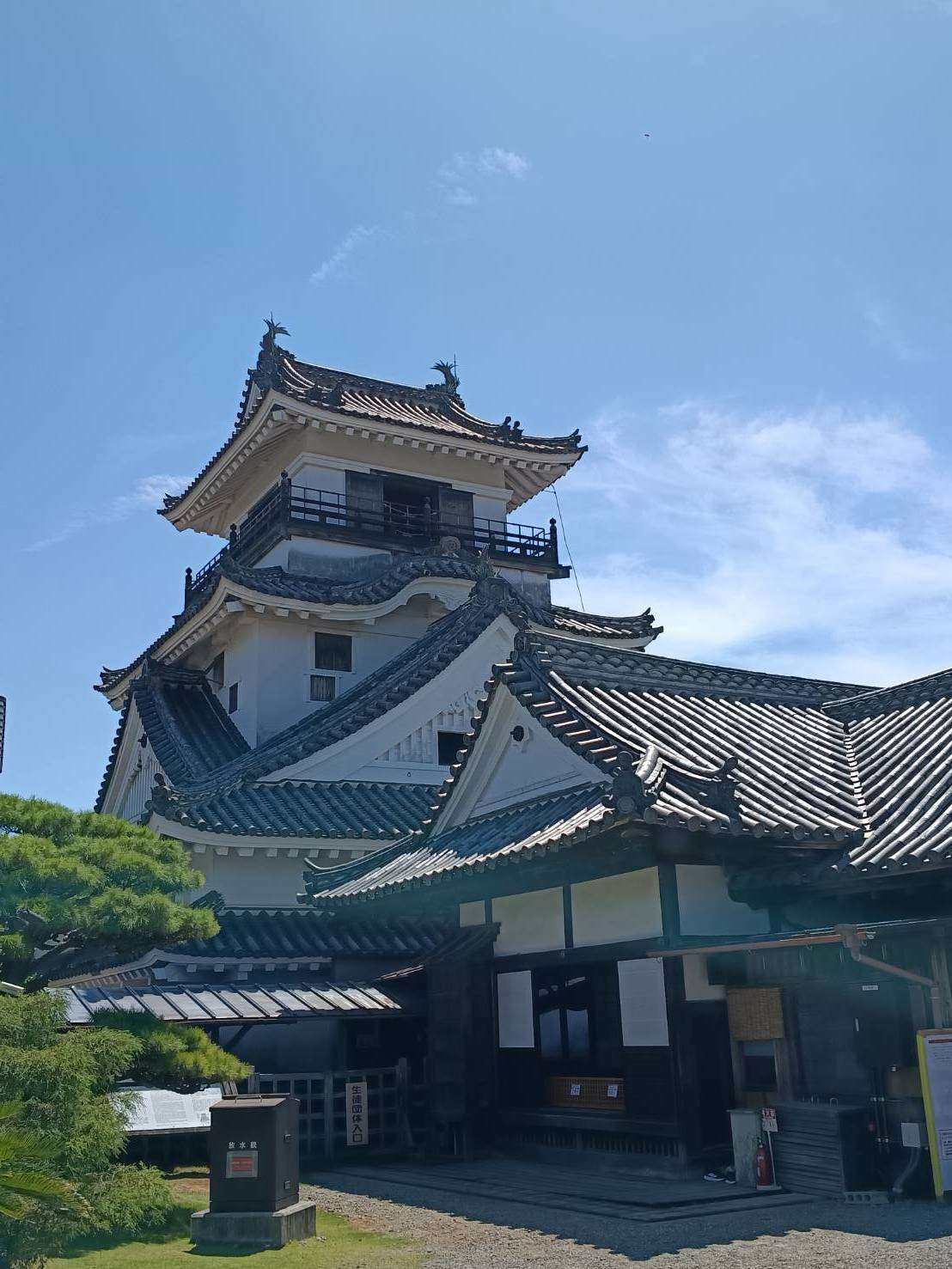
Kochi Castle is a marvel of feudal history, deeply tied to Yamauchi Kazutoyo.
- The Mitsubishi Connection: Kazutoyo’s oak leaf family crest served as the direct inspiration for the iconic three-piece logo used by MITSUBISHI today!
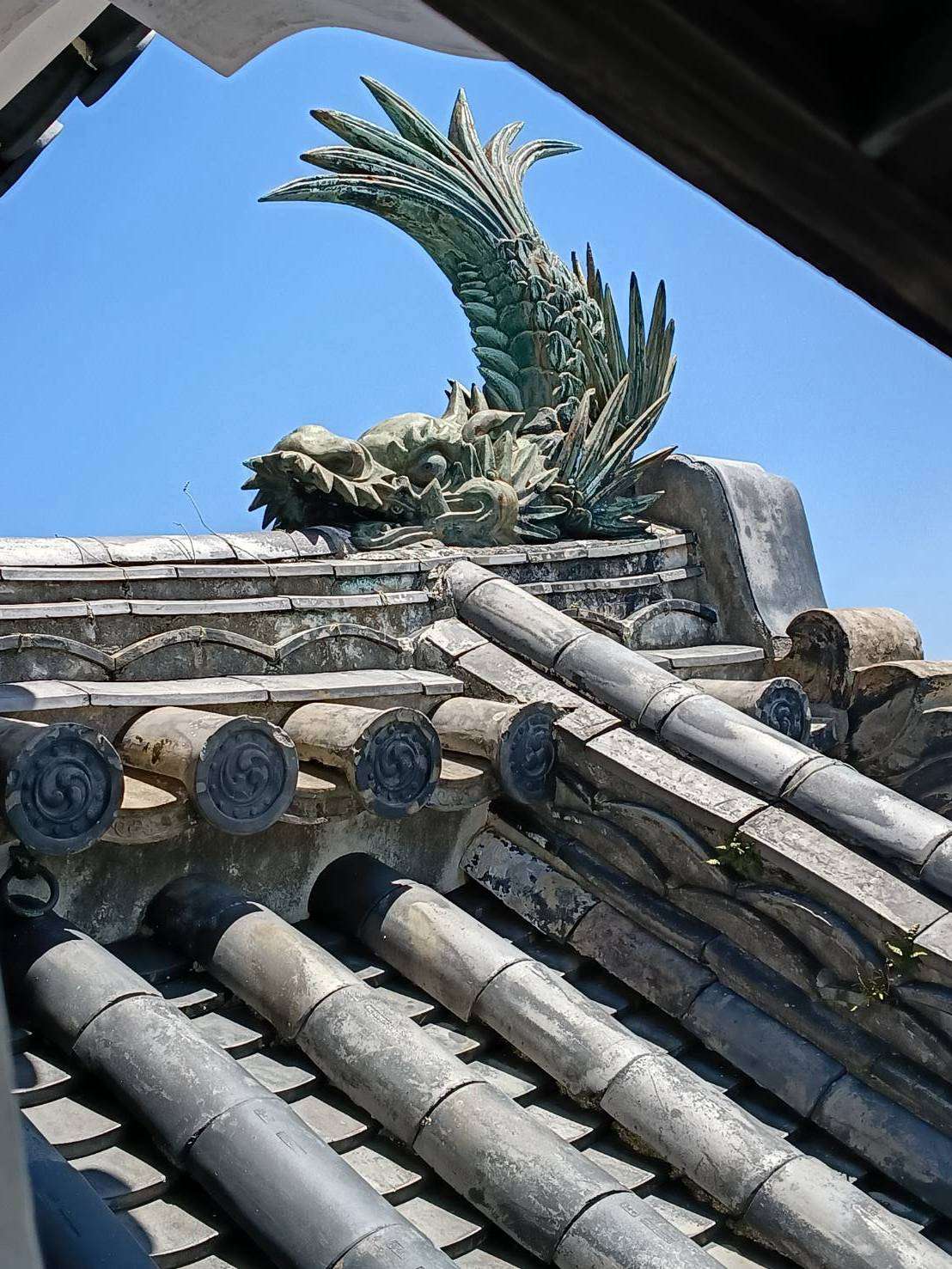
- Important Cultural Assets: The shachihoko (gargoyles) on top of the castle roof are designated national cultural treasures. Look closely and you will notice one has its mouth open (male) while the other is closed (female).
- Power & Color: Inside, you’ll notice an abundance of bright red garments once worn by the lord (Otono-sama), as red was considered the ultimate symbol of wealth during that era.
- A Historical First: The castle museum displays historical artifacts from Tosa’s famous revolutionary, Itagaki Taisuke—including his personal travel bag, which is famously known as the very first Louis Vuitton bag ever imported into Japan!
Katsurahama Beach & Ryoma’s Legacy
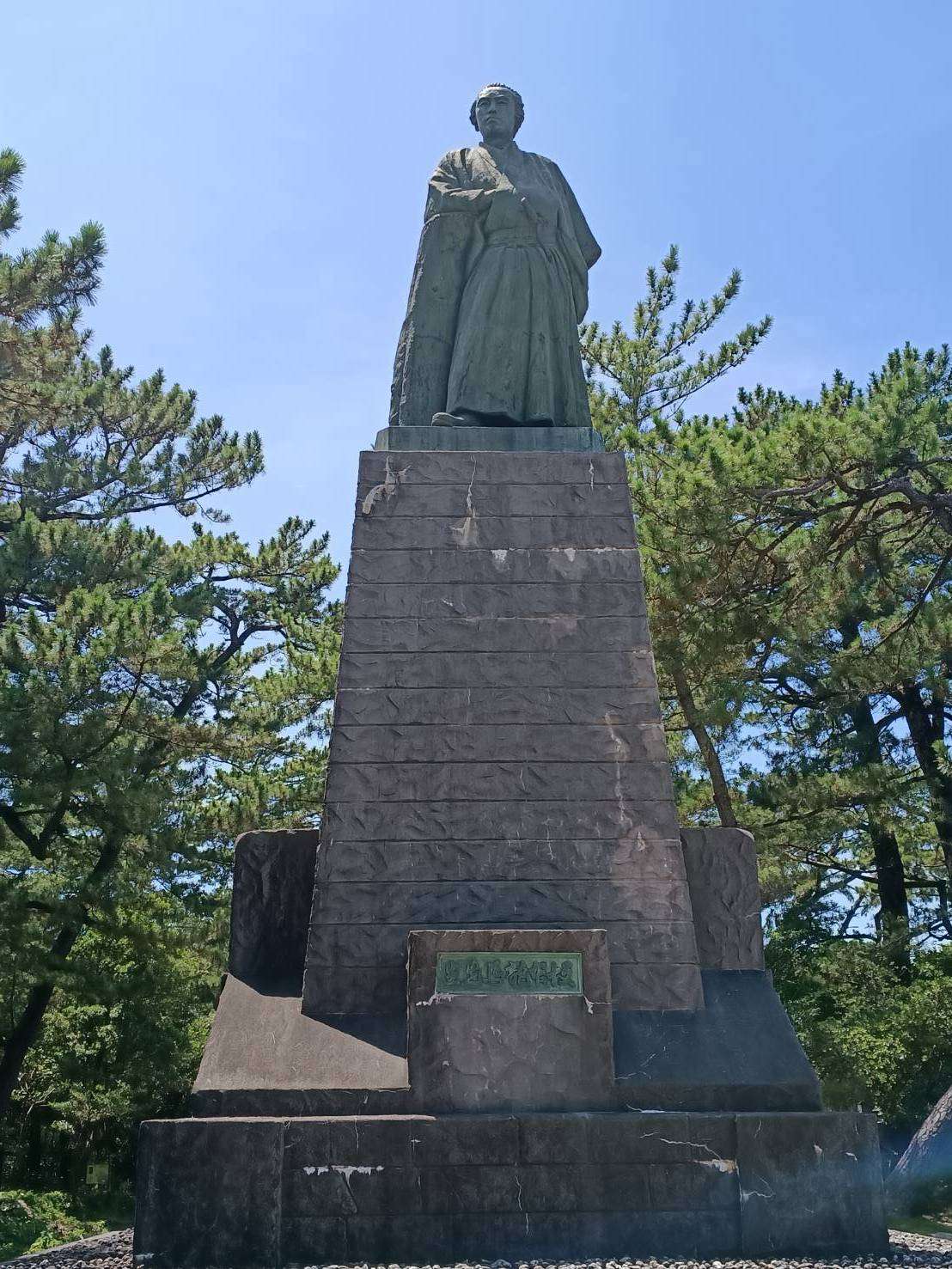
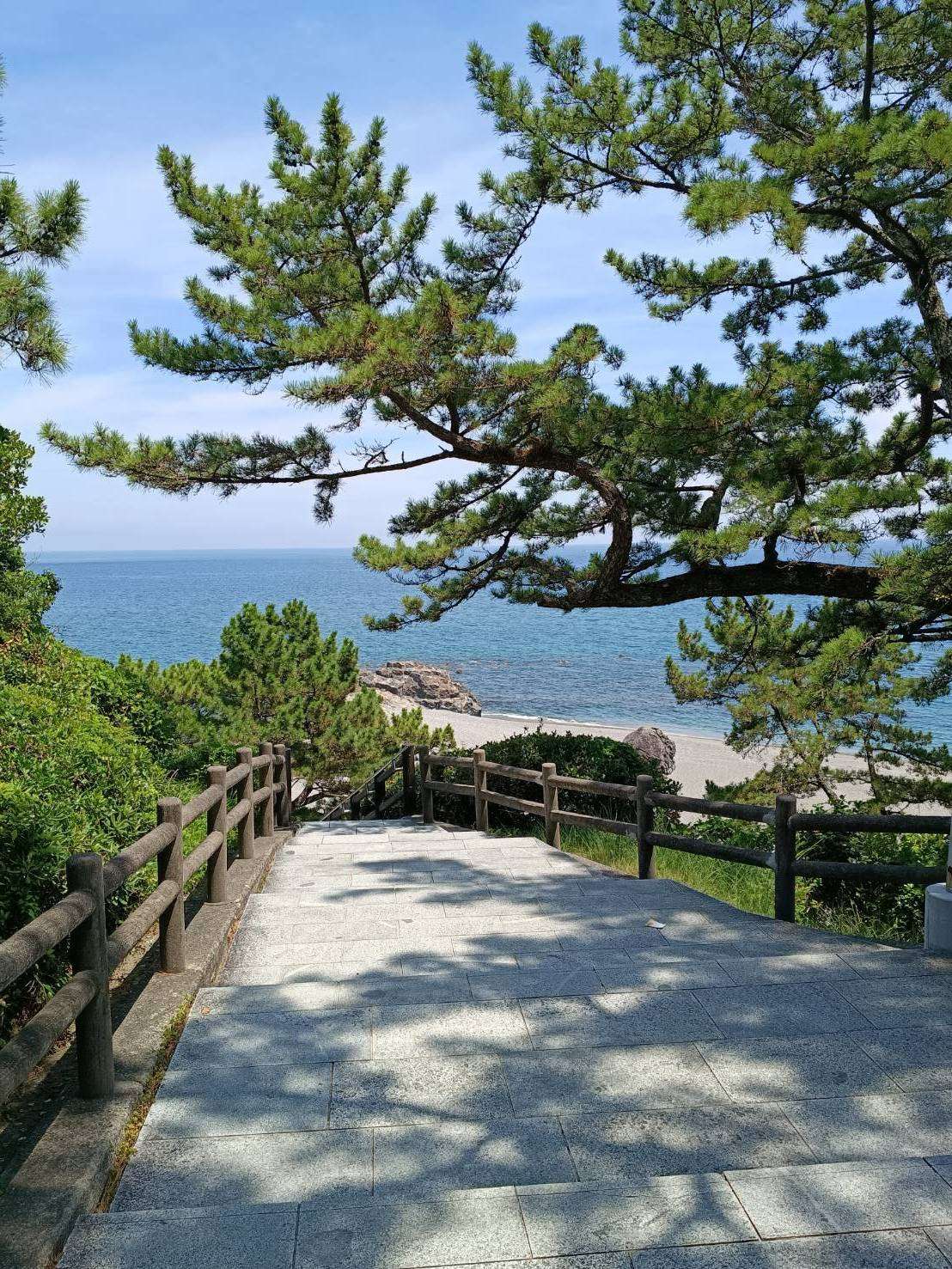
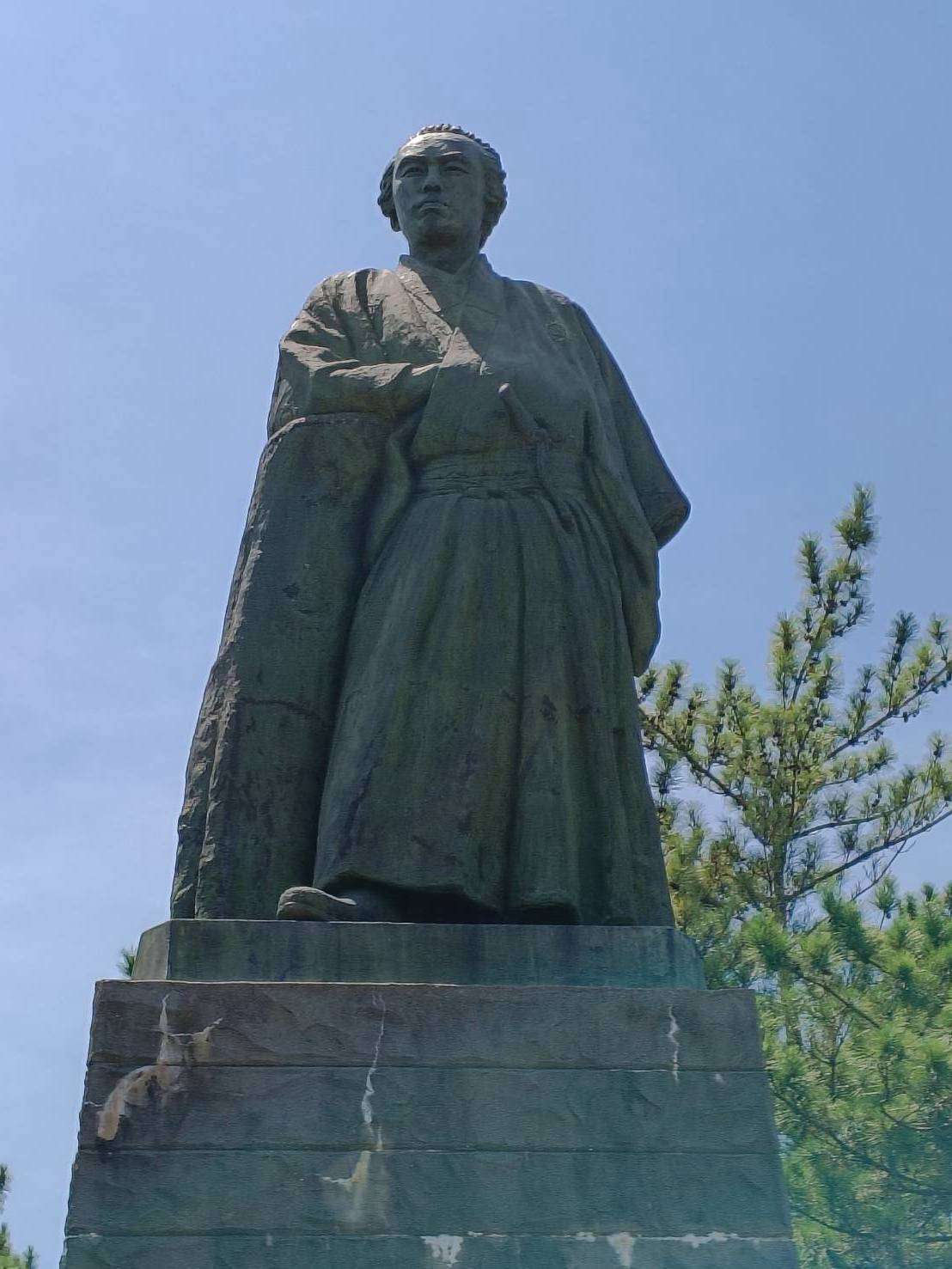
Next, we traveled to Katsurahama Beach, where we were instantly awestruck by the massive statue of Sakamoto Ryoma towering over the coastline.
Standing beneath the statue, looking out at the panoramic ocean views, you can really feel the history. Scholars still debate whether Ryoma was gazing far out across the Pacific contemplating Japan’s global future, or if he was actually looking north toward Edo (Tokyo). Either way, the view of Katsurahama from his vantage point is breathtaking. (Just be sure to stay hydrated—if it weren’t so intensely hot, walking all the way down to the sandy shore below would be pure paradise!).
The Daily Street Markets
One of the coolest cultural aspects of Kochi City is its street market culture. They don’t just host markets on weekends—they hold sprawling outdoor street markets almost every day of the week (Sunday, Tuesday, Thursday, and Friday Markets)!
Walking through the stalls, you’ll see local residents shopping for fresh, vibrant vegetables and traditional regional specialties like Inaka Sushi (countryside sushi made with preserved vegetables instead of raw fish). It is a wonderful, lively window into authentic daily life in Kochi.
Written by Matsumura