
When summer arrives in Japan, people naturally look for ways to escape the heat. While Japan is famous for its mountains, temples, and bustling cities, the country is also surrounded by the ocean, with a coastline stretching across thousands of kilometers. The sea has always played an important role in Japanese history, culture, and daily life.
For many Japanese people, visiting the beach is a way to enjoy summer, spend time with family and friends, and reconnect with nature.
The Sea in Japanese Culture
Japan is an island nation, and the ocean has influenced many aspects of its culture. Historically, the sea has provided food, transportation, and connections between different regions. Fishing villages, seafood traditions, and coastal festivals remain important parts of Japanese life.
Today, the sea continues to have a special place in Japanese society, especially during summer. Beaches become gathering places where people celebrate the season, enjoy outdoor activities, and create memories.
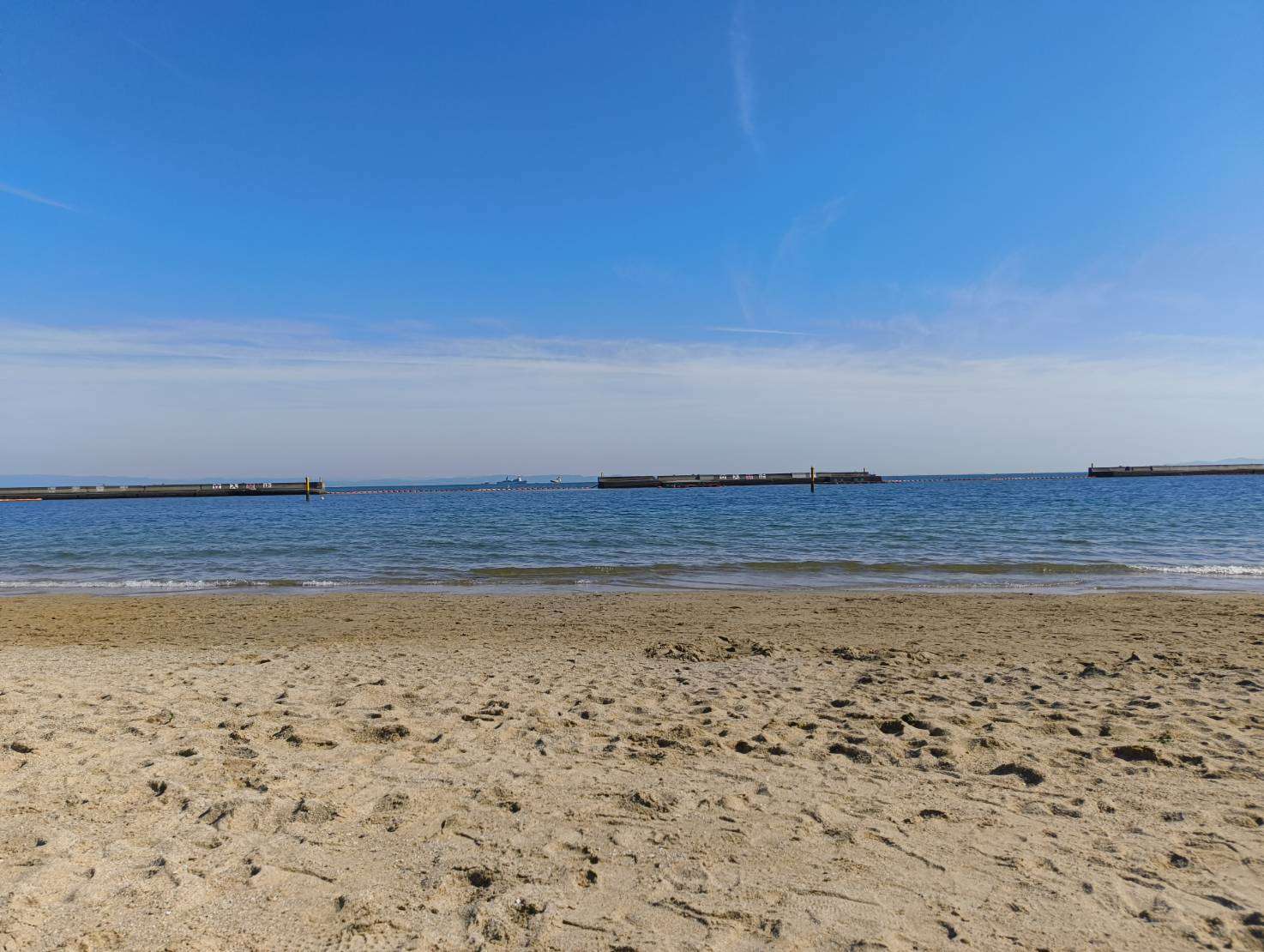
Umi no Hi: Celebrating the Ocean
One of the most important summer holidays connected to the sea is Umi no Hi (海の日), or Marine Day.
Celebrated on the third Monday of July, Umi no Hi is a national holiday dedicated to appreciating the ocean and recognizing its importance to Japan.
The holiday was created in 1996, and its purpose is to express gratitude for the benefits provided by the sea and to wish for the prosperity of the maritime nation.
On this day, many people visit beaches, participate in marine activities, attend local events, or simply spend time near the water. It also marks the beginning of the main beach season in many parts of Japan.
Japanese Beach Culture: More Than Just Swimming
Japanese beaches have their own unique summer atmosphere. During the official swimming season, usually from July to August, many beaches open temporary facilities called umi no ie (海の家), or “beach houses.”
These seasonal establishments provide:
- Food and drinks
- Changing rooms and showers
- Beach equipment rentals
- Places to rest from the sun
They are an important part of the Japanese beach experience. Visitors can enjoy traditional summer foods such as yakisoba, shaved ice (kakigōri), and cold drinks while relaxing by the ocean.
Beaches are also connected with other summer traditions, such as:
- Wearing yukata at seaside festivals
- Watching fireworks over the water
- Playing beach sports
- Enjoying sunsets with friends and family
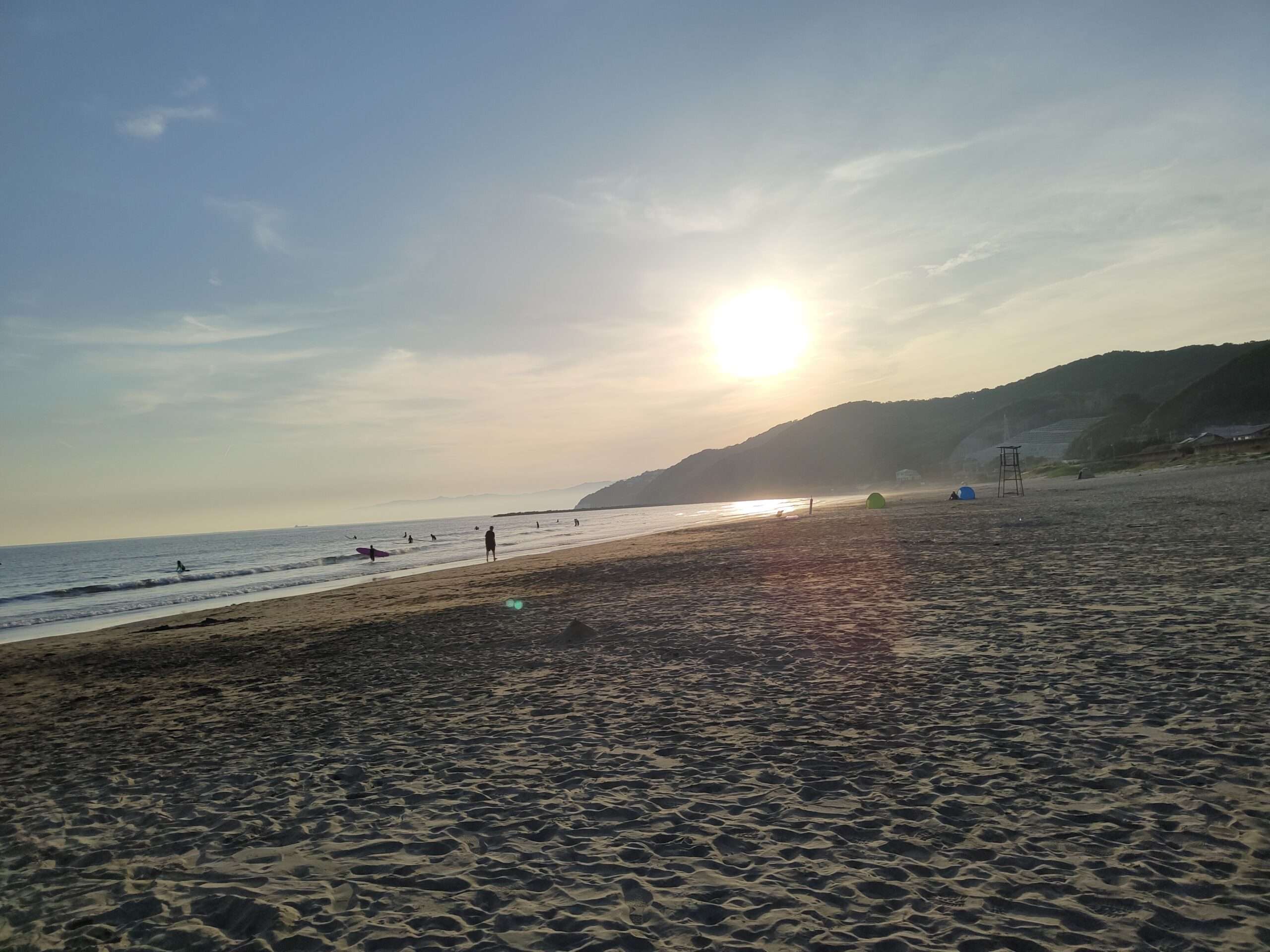
Okinawa: Japan’s Tropical Beach Paradise
When people imagine beautiful beaches in Japan, Okinawa is often the first place that comes to mind.
Located in the southernmost part of Japan, Okinawa has a subtropical climate, warm turquoise waters, white sandy beaches, and colorful coral reefs. Its unique natural environment makes it one of Japan’s most popular beach destinations.
Unlike many other areas of Japan, where the beach season is relatively short, Okinawa allows visitors to enjoy marine activities for much longer periods.
Popular activities include:
- Snorkeling among coral reefs
- Diving
- Kayaking
- Island hopping
- Exploring remote beaches
Okinawa’s beaches also reflect the unique culture of the Ryukyu Kingdom, with influences from different Asian countries. The islands offer not only beautiful landscapes but also a different atmosphere from mainland Japan, with their own traditions, music, and cuisine.
Hidden Beach Gems Around Kansai
Although Okinawa is famous, travelers do not need to travel far to enjoy the sea. The Kansai region also has beautiful beaches that are perfect for a summer escape.
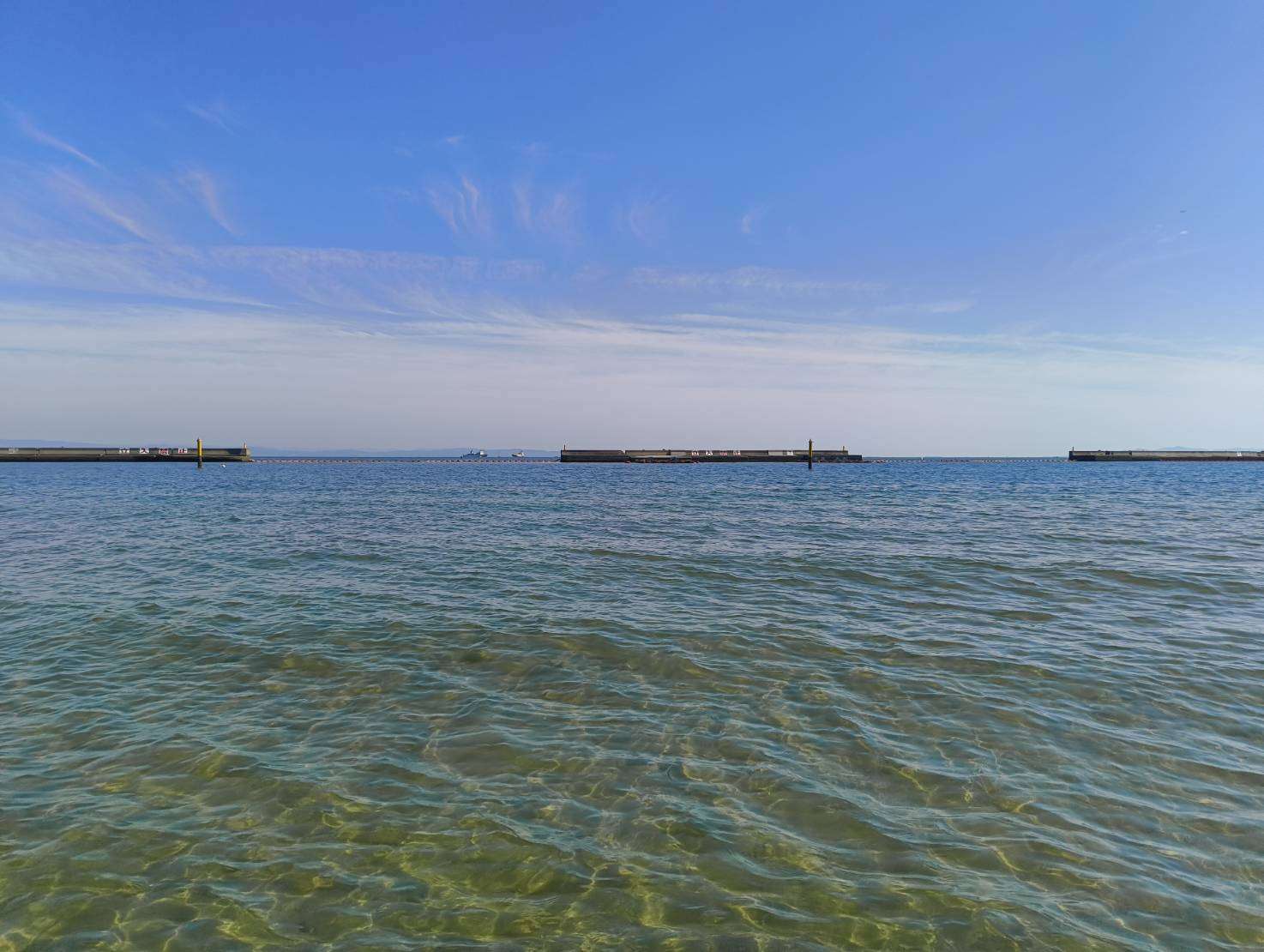
Suma Beach, Kobe (須磨海岸)
Located close to Kobe city, Suma Beach is one of the most accessible beaches in the Kansai area. Its convenient location makes it popular among locals looking for a seaside break without traveling far.
The beach offers a long sandy coastline and beautiful views of the Akashi Strait and is easily accessible by train. It is a great place to enjoy the feeling of a summer beach while staying close to an urban area.
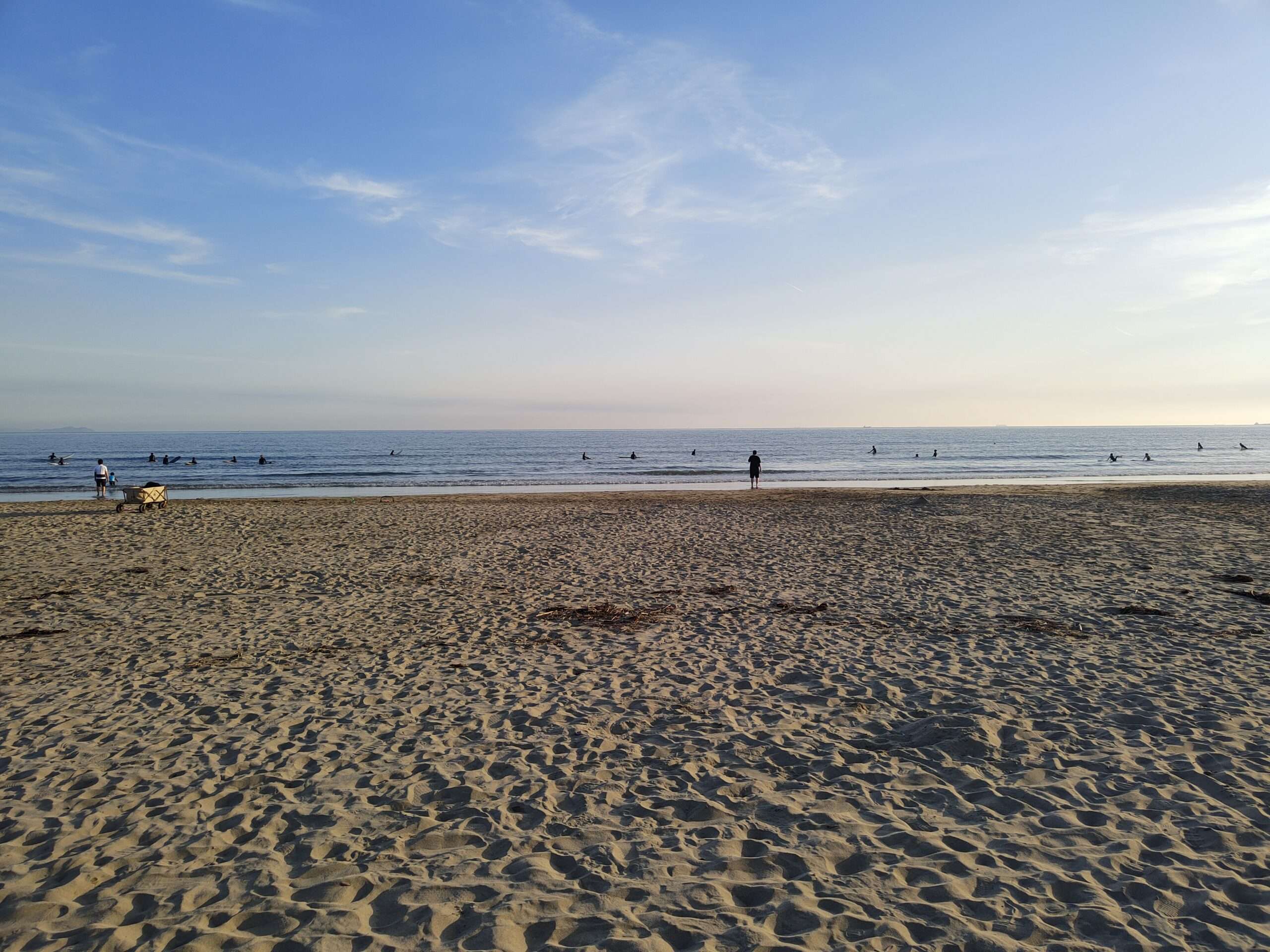
Kada Beach, Wakayama (加太海水浴場)
For visitors looking for a calmer and more natural environment, Kada Beach in Wakayama is an excellent choice.
Surrounded by beautiful coastal scenery, Kada Beach offers a more peaceful experience compared with larger city beaches. Visitors can enjoy clear waters, views of small islands and beautiful sunsets.
The nearby fishing village of Kada also allows visitors to experience a more traditional coastal side of Japan, including fresh seafood and local culture.
Conclusion: Experiencing Japan Through Its Coastline
Japanese beaches reveal a different side of the country—one that is relaxed, seasonal, and deeply connected with nature. From celebrating Umi no Hi to enjoying a summer day at a beach house, the sea is an important part of Japanese summer culture.
Whether exploring the tropical waters of Okinawa or discovering local beaches such as Suma and Kada in the Kansai region, spending time by the ocean is a wonderful way to experience Japan during the summer.