
When it rains during a trip, many travelers may feel a little disappointed.
But in Japan, rain has a different kind of beauty : one that can only be experienced on quiet, cloudy days.
Today, I’d like to introduce some uniquely Japanese ways to enjoy the rainy season, along with seasonal traditions that can only be found at this time of year.
In Japan, the rainy season — called tsuyu — usually arrives from late May through June.
Hearing the words “rainy season” might make some people think it is not the best time to travel.
After several rainy days in a row, you may even wonder, “I came all the way to Japan for this…”
However, in Japan, the rainy season has never been seen simply as a period of bad weather.
For centuries, people have appreciated the calm atmosphere, the beauty of nature, and the slower pace of life that comes with this season.
Some even believe that this is the time of year when Japan’s quiet beauty can be felt most deeply.
Unlike the bright excitement of cherry blossom season or the lively energy of summer festivals, Japan’s rainy season offers a softer, more peaceful charm.
It feels almost as if time itself begins to slow down.
One traditional custom that has long been enjoyed in Japanese households during this season is called ume shigoto — literally, “working with plums.”
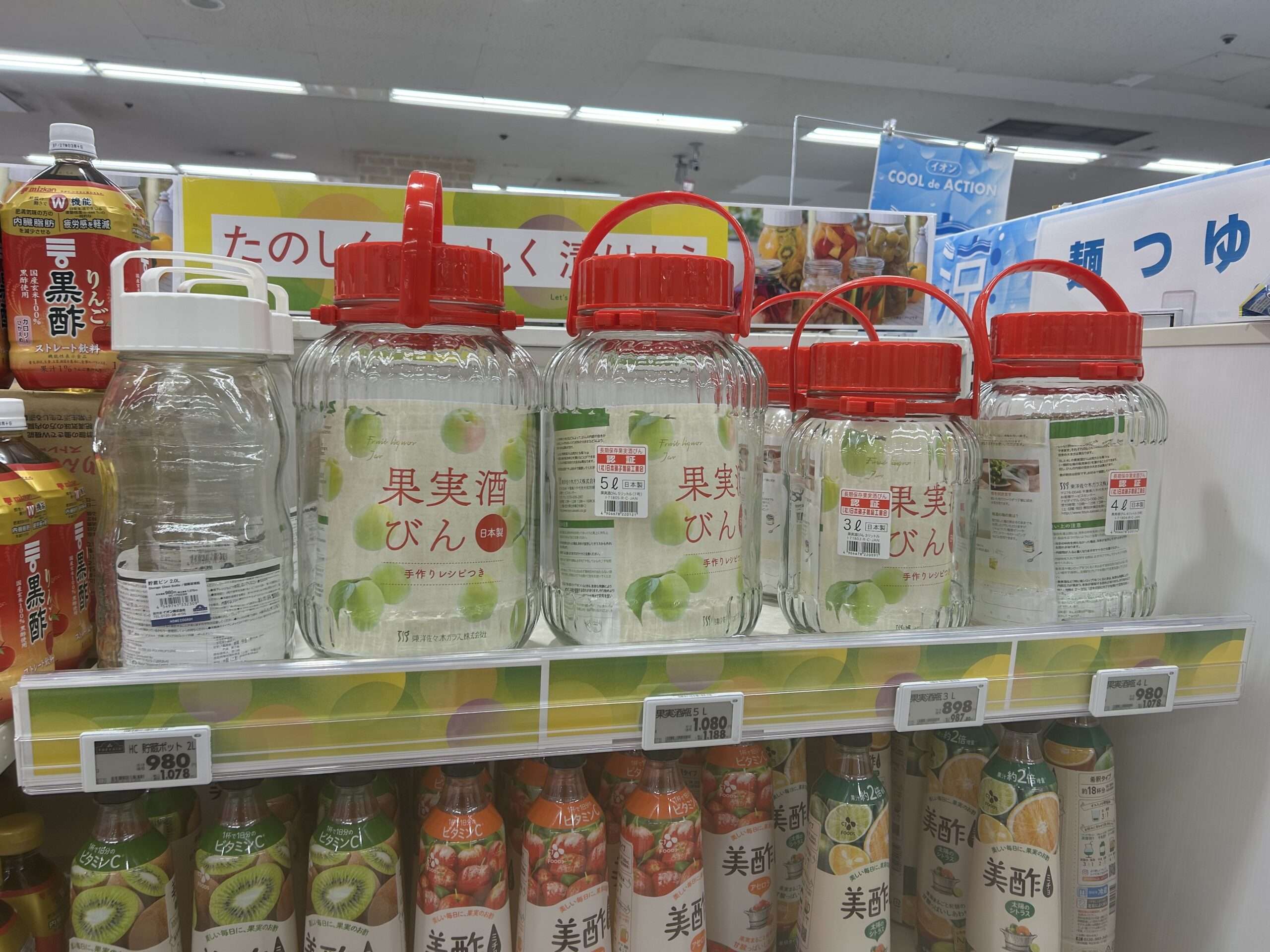
Around mid-May, fresh green plums begin appearing in supermarkets across Japan.
Beside them, you’ll often see large glass jars and bags of rock sugar.
For many Japanese people, this is the moment they realize: “Ah, plum season has arrived again.”
During this time, many families prepare things such as:
- Umeshu (Japanese plum wine)
- Plum syrup
- Umeboshi (pickled plums)
Using seasonal plums to make preserved foods that can be enjoyed throughout the year is a deeply rooted part of Japanese seasonal living.
I personally love plums as well, so every year I make plum syrup or umeshu at home.
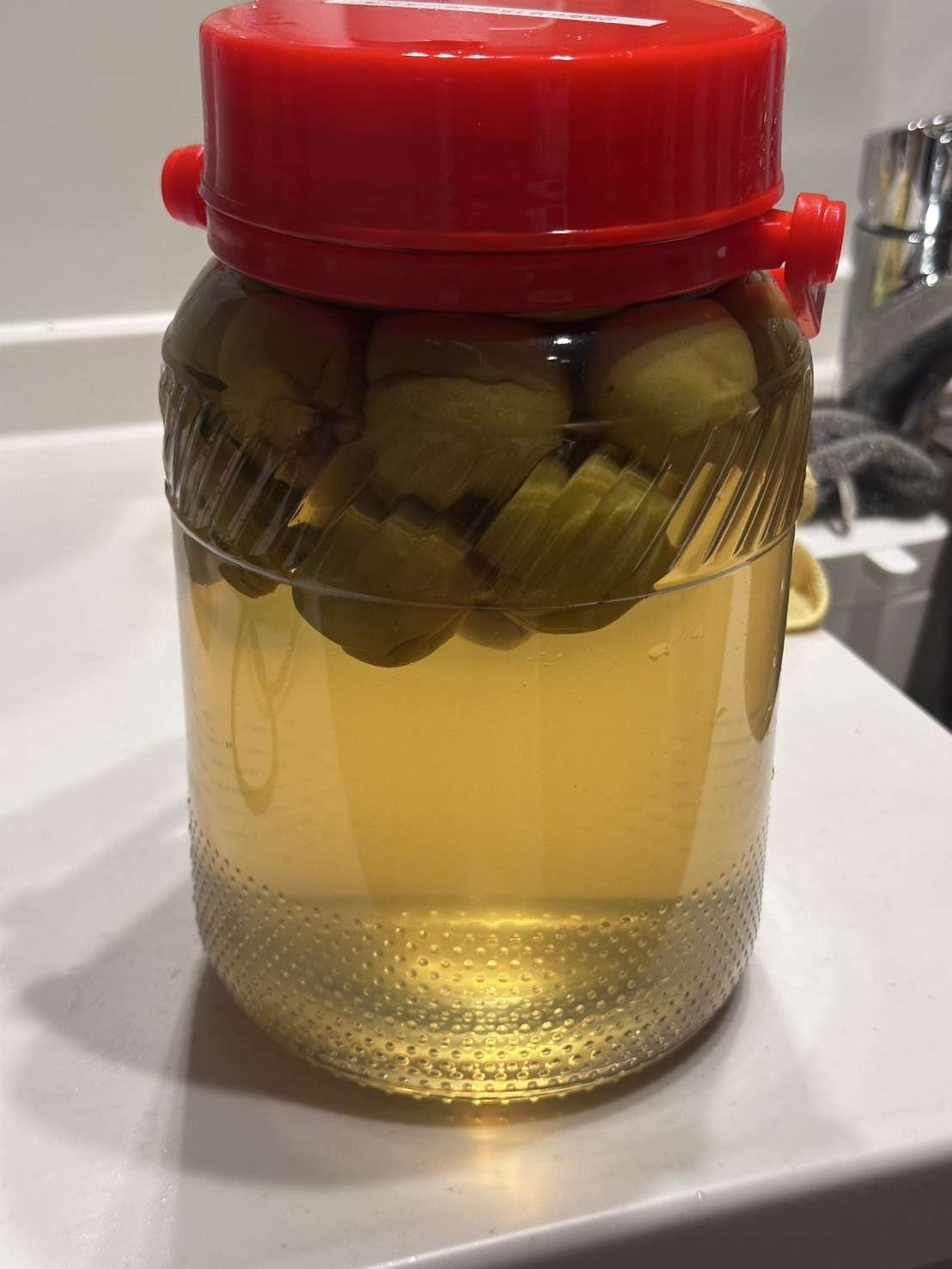
One of the most fascinating things about ume shigoto is that nothing is completed immediately.
After preparing plum syrup or plum wine, it usually takes anywhere from six months to a year before it is ready to enjoy.
Day by day, the color slowly changes.
The aroma deepens.
Everything matures gradually over time.
In today’s world, where speed and efficiency are often prioritized, there is something especially meaningful about this act of waiting.
Japan has long valued the beauty of seasonal change and the quiet transformation that comes with time.
In many ways, ume shigoto symbolizes this uniquely Japanese sensibility.
Recently, places where travelers can casually experience these traditional seasonal customs have also become increasingly popular.
For example, at CHOYA UME STUDIO Kyoto Sanjo and CHOYA UME STUDIO Kamakura, visitors can create their own original plum syrup or plum wine together with a “plum concierge.”
Spending quiet time preparing plums in a peaceful space offers a very different kind of experience from typical sightseeing.
It allows visitors to connect with Japanese culture in a slower, more personal way.
And perhaps the most beautiful part is this:
The bottle you make in Japan continues to mature even after you return home.
Months later, when you finally open it, the scent and taste may bring back memories of rainy streets, hydrangeas, and quiet moments spent in Japan.
Yes, June in Japan is certainly a rainy season.
But because of the rain, there are also unique landscapes and experiences that can only be found at this time of year.
So if you ever visit Japan during the rainy season, perhaps instead of trying to avoid the rain, you might try enjoying the beauty that only rainy days can offer.
Written by Ayumi
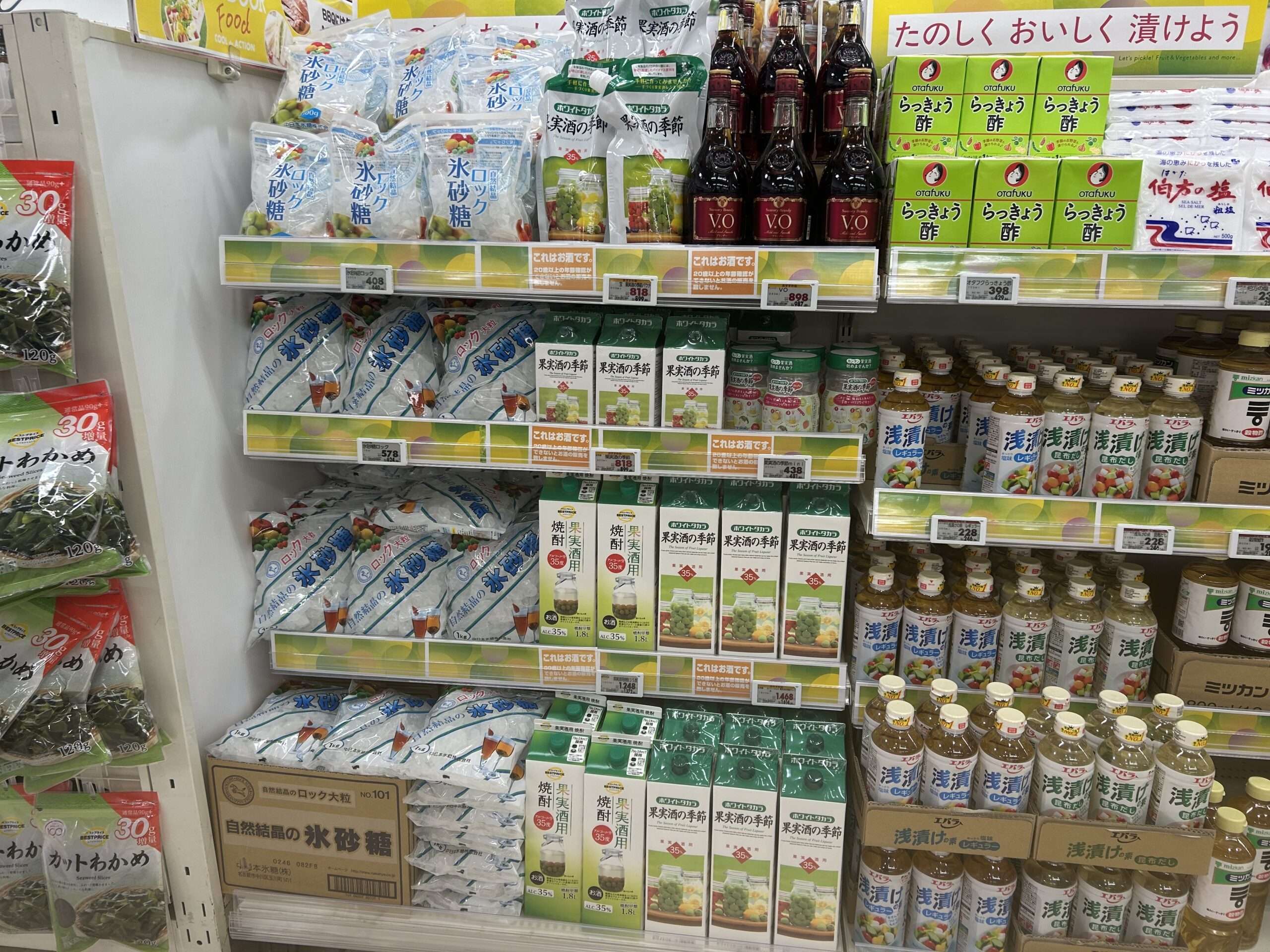
Sugar specifically used to make Umeshu and Plum syrup is sold at most supermarkets in Japan !