
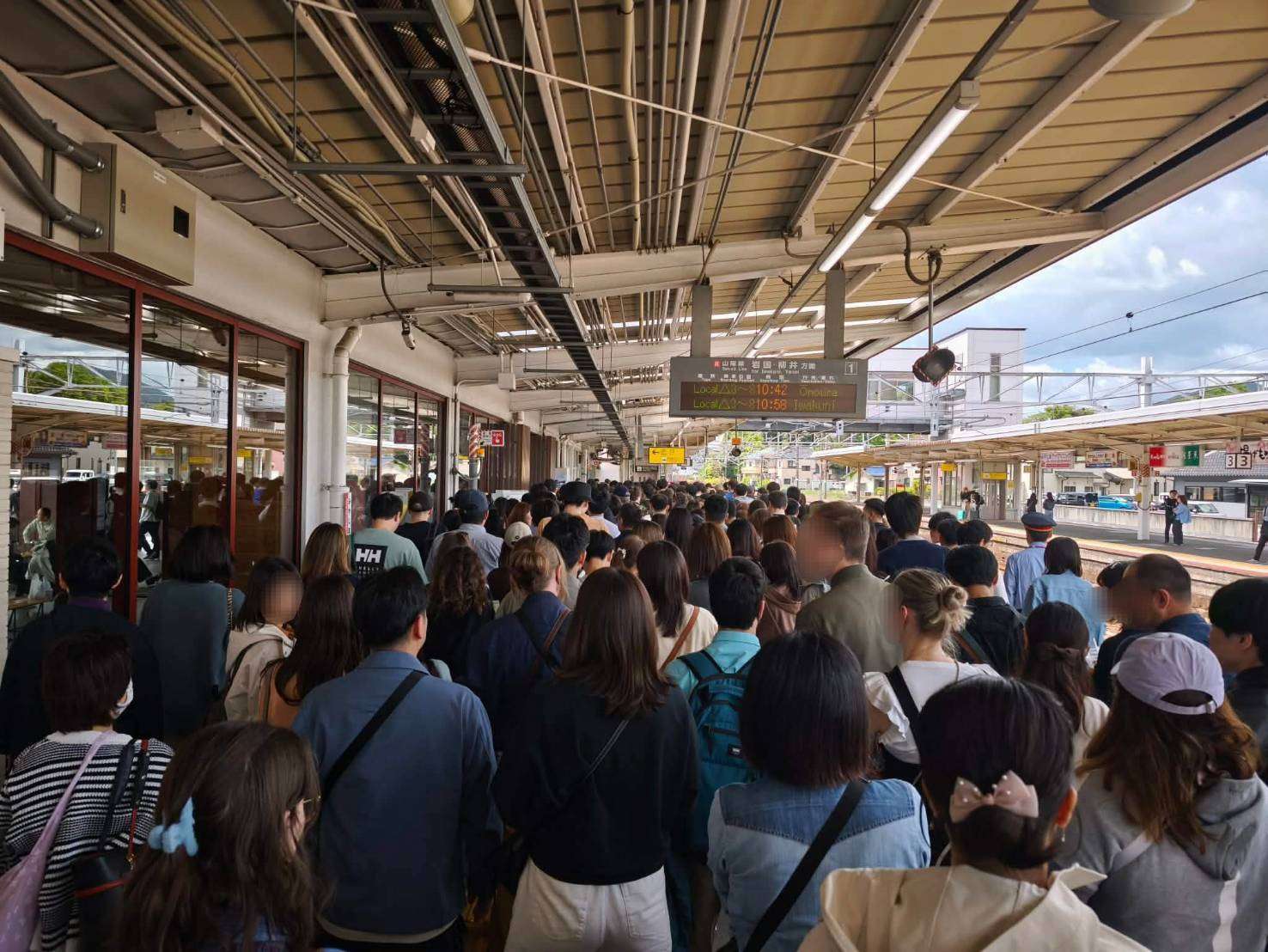
If you have been following the news or walking around any major Japanese city last week, you’ve likely noticed the surge of energy (and people) everywhere. That’s because we were in the midst of Golden Week, a cluster of four national holidays that creates the longest and busiest vacation period in Japan.
For travelers, Golden Week can be a dream or a nightmare, depending on how you plan. Let’s dive into what this week actually entails and how you can navigate it like a local!
What exactly is Golden Week?
Golden Week isn’t just one holiday; it is a series of four significant days packed into seven days:
- April 29 – Showa Day: Honoring the birthday of the former Emperor Showa.
- May 3 – Constitution Memorial Day: Commemorating the post-war constitution.
- May 4 – Greenery Day: A day to appreciate nature.
- May 5 – Children’s Day: A celebration of children’s health and happiness.
In 2026, because of how the weekends fall, the peak travel period was concentrated between May 2nd and May 6th. This means millions of people are moving across the country at the exact same time.
The Reality: Should You Travel?
If you have the choice, avoiding long-distance travel during these peak dates is the best strategy. Hotels often reach capacity months in advance, and the famous “Golden Route” (Tokyo-Kyoto-Osaka) becomes incredibly congested.
A quick word of warning for those thinking of fleeing the country: Make sure your destination isn’t also celebrating! I recently decided to head to China to escape the Japanese crowds, only to find they were celebrating their own “Golden Week” (Labor Day) at the exact same time. I ended up swapping one sea of people for another….a good reminder to check regional holiday calendars before booking!
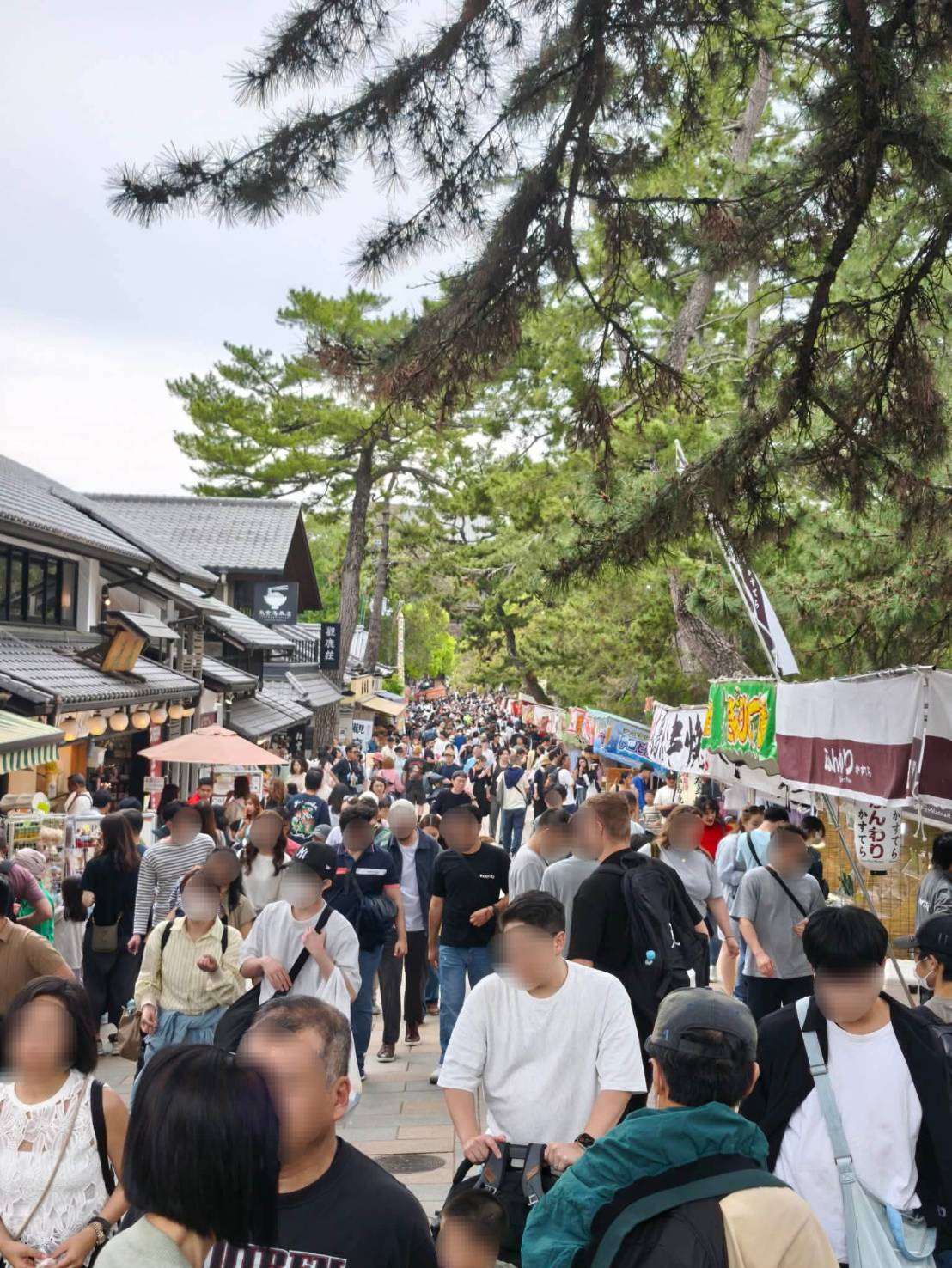
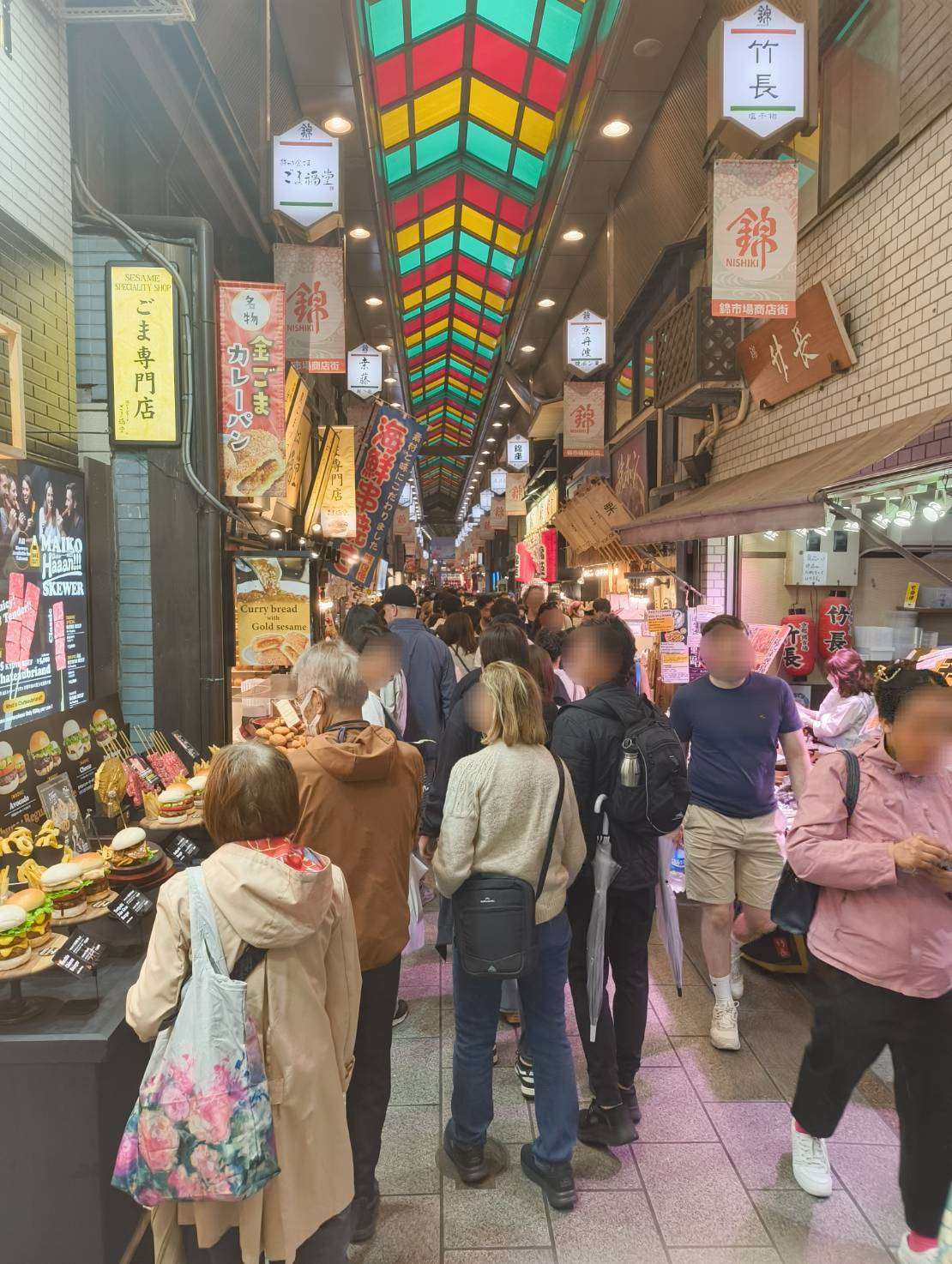
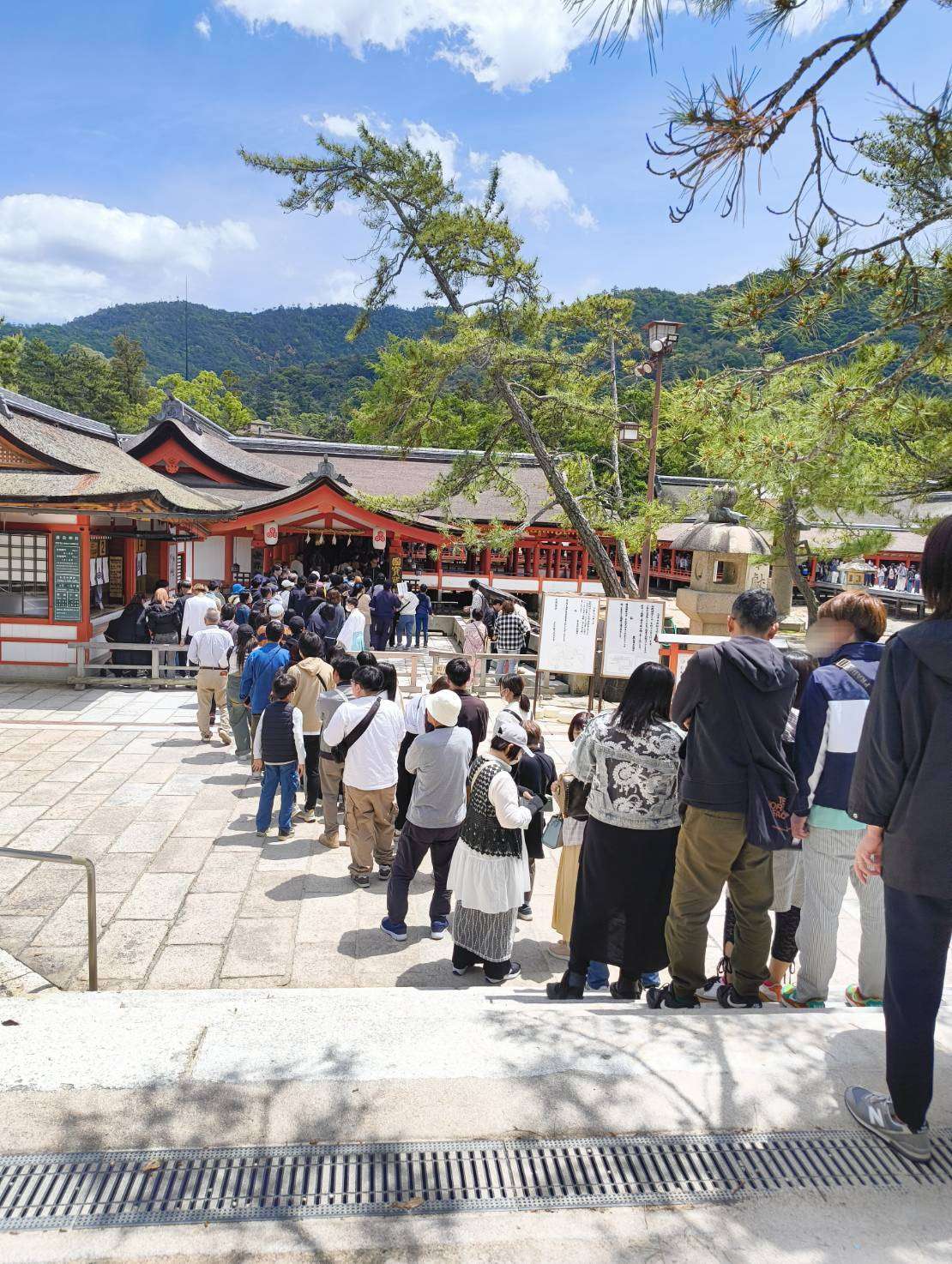
Looking Ahead: Golden Week 2027
If you are already planning for next year, the calendar looks a bit different. In 2027, Golden Week will offer a very clear five-day consecutive break:
- Thursday, April 29: Showa Day (The start of the period)
- Saturday, May 1 – Wednesday, May 5: The main “long weekend.”
Since May 3rd (Monday) to May 5th (Wednesday) connects directly with the weekend, expect the peak travel rush to begin on Saturday, May 1st as people leave the cities, with the return rush peaking on May 5th.
How to Navigate “The Rush”
- The Nozomi Rule: During Golden Week, the Nozomi (the fastest Shinkansen) often becomes Reserved-Only. You cannot just show up with a non-reserved ticket and hope for a seat; you must book in advance via the SmartEX app or at the station.
- City Exploration: While everyone leaves the big cities to go to the countryside or their hometowns, business districts in Tokyo and Osaka can actually feel surprisingly calm. This is the perfect time to explore local shrines and cafes away from the main tourist hubs.
- Book Everything Yesterday: For Golden Week, “planning ahead” means 3 to 6 months in advance. This applies to trains, dinner reservations, and even museum tickets.
Where to Go to Escape the Crowds
If you want to experience Japan’s beauty without the “mosh pit” feeling of central Kyoto, consider heading where the crowds are thinner:
- The San’in Coast (Tottori & Shimane): This rugged, beautiful coastline on the Sea of Japan is much quieter than the Pacific side and offers stunning sand dunes and ancient shrines.
- Tohoku: In early May, northern Japan is often just reaching its peak for late-blooming cherry blossoms or vibrant fresh greenery, and it feels much more spacious.
- Shikoku’s Mountains: Places like the Iya Valley offer a deep dive into nature and are perfect for those looking to disconnect from the holiday rush.
My Personal Take
Living and working in the tourism industry in Japan, I’ve learned that Golden Week is all about patience and local discovery. It is a high-energy time where you can see the whole country celebrating spring.
Have you ever accidentally traveled during a major holiday? How did you handle the crowds? Let us know in the comments!
Written by Salomé