
How to Handle Winter Weather Disruptions While Traveling in Japan
Japan is famous for its punctual trains, efficient airports, and highly reliable transportation system. For many visitors, this reliability becomes an expectation throughout their trip. However, during winter, weather conditions such as snow, strong winds, or sudden temperature drops can occasionally disrupt travel plans. While these situations are usually well-managed, they can still feel confusing for travelers who are unfamiliar with how Japan handles seasonal disruptions.
Understanding how winter weather affects transportation in Japan, and how locals typically respond, can help visitors stay calm, flexible, and well-prepared while traveling during the colder months.
Why Winter Disruptions Happen in Japan
Winter weather impacts Japan differently depending on the region. Northern Japan and areas along the Sea of Japan coast experience regular snowfall, while major cities like Tokyo, Osaka, and Kyoto usually see only occasional snow or freezing rain. Even so, Japanese transportation authorities tend to act cautiously.
Japanese-language travel guides often explain that services may be slowed or suspended before conditions become dangerous. This preventative approach prioritizes passenger safety and system-wide stability rather than keeping services running at all costs. For visitors, this can feel unexpected, especially if snowfall appears light.
How Train Services Are Affected
When winter weather affects train operations, delays or suspensions are announced early. Information is usually displayed on station boards and announced over loudspeakers, though not all details may be available in English.
Japanese sources often recommend checking multiple information points:
- station display boards,
- official railway company websites,
- real-time transit apps.
Rather than waiting indefinitely on platforms, local travelers often look for alternative routes or adjust their schedules quickly. Staff at stations are accustomed to assisting passengers during disruptions, and even limited English communication is usually enough to receive guidance.
Flights and Long-Distance Transportation
Domestic flights are more sensitive to winter weather, particularly in regions such as Hokkaido, Tohoku, and areas near the Sea of Japan. Snowstorms or strong winds may cause delays or cancellations, especially during peak travel periods.
Japanese travel advice frequently recommends allowing extra time when winter trips involve flights, particularly if there is a connection to an international departure. Airlines generally provide clear rebooking options, and customer service staff are used to handling these situations, though waiting times may be longer than usual.
What Japanese Travelers Typically Do During Disruptions
One of the most noticeable aspects of winter disruptions in Japan is how calmly they are handled. Japanese sources emphasize gathering information first rather than reacting emotionally. Travelers often:
- confirm updates before moving,
- ask staff for clear instructions,
- wait in designated areas rather than crowding entrances.
Many major stations are well-equipped with cafés, restaurants, and heated waiting areas, which makes delays more manageable than visitors might expect.
How Visitors Can Prepare in Advance
Preparation is strongly emphasized in Japanese winter travel advice. Visitors are encouraged to:
- avoid overly tight travel schedules,
- keep accommodation contact details easily accessible,
- check weather forecasts daily,
- identify alternative routes or backup plans.
Traveling earlier in the day is also commonly recommended, as services are more likely to run smoothly in the morning.
Accommodation and Overnight Adjustments
In rare cases where services are suspended for extended periods, travelers may need to adjust overnight plans. Japanese guidance often suggests:
- checking with accommodation providers about late arrivals,
- using station staff for hotel recommendations,
- remaining flexible rather than rushing to move long distances.
Capsule hotels and business hotels near major stations often accommodate unexpected stays.
Why Winter Travel in Japan Is Still Rewarding
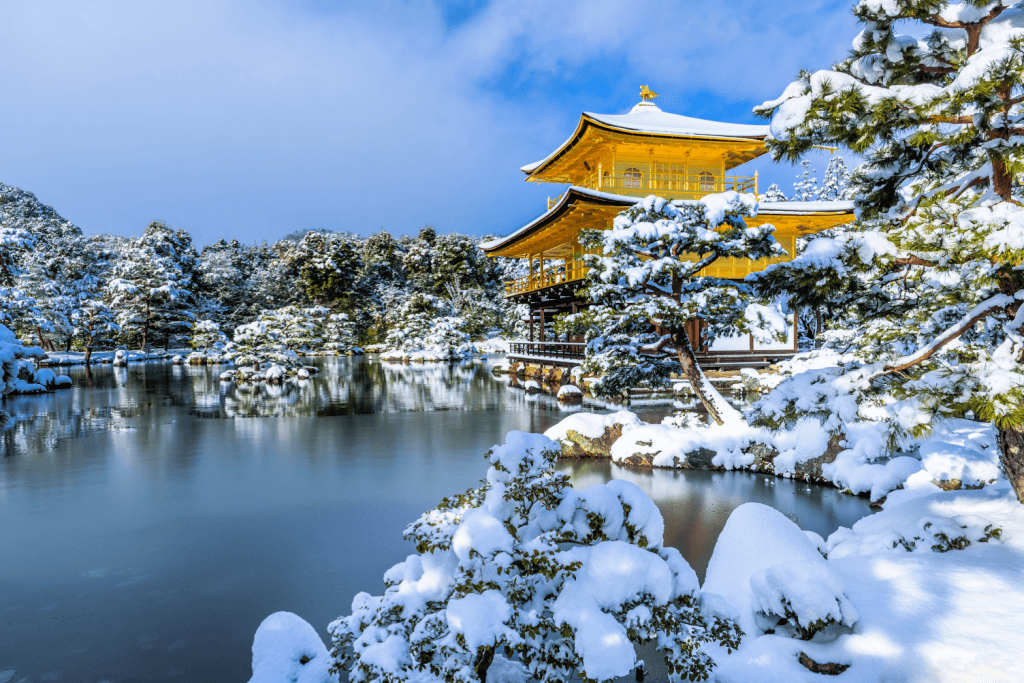
Despite occasional delays, winter travel in Japan offers many advantages. Clear skies, seasonal scenery, fewer crowds, and winter-specific cultural experiences often outweigh the inconvenience of short-term disruptions. Japanese sources frequently point out that winter travel rewards patience and planning rather than speed.
Adopting a Seasonal Mindset
In Japan, winter disruptions are seen as a natural part of seasonal life rather than a failure of infrastructure. By adopting a similar mindset—staying informed, flexible, and calm—visitors can navigate winter travel with confidence.
With the right preparation and expectations, winter remains a beautiful and enriching time to explore Japan, even when plans need to be adjusted.